It was a few days after Thanksgiving. We had just finished decorating our Christmas tree in the nick of time before our 3-year-old grandsons came for a visit. They ran to the living room to see our tree, sparkling with ornaments and lights. When they saw the Christmas tree, they were wide-eyed with holiday happiness and shouted out, “It’s Christmas!”
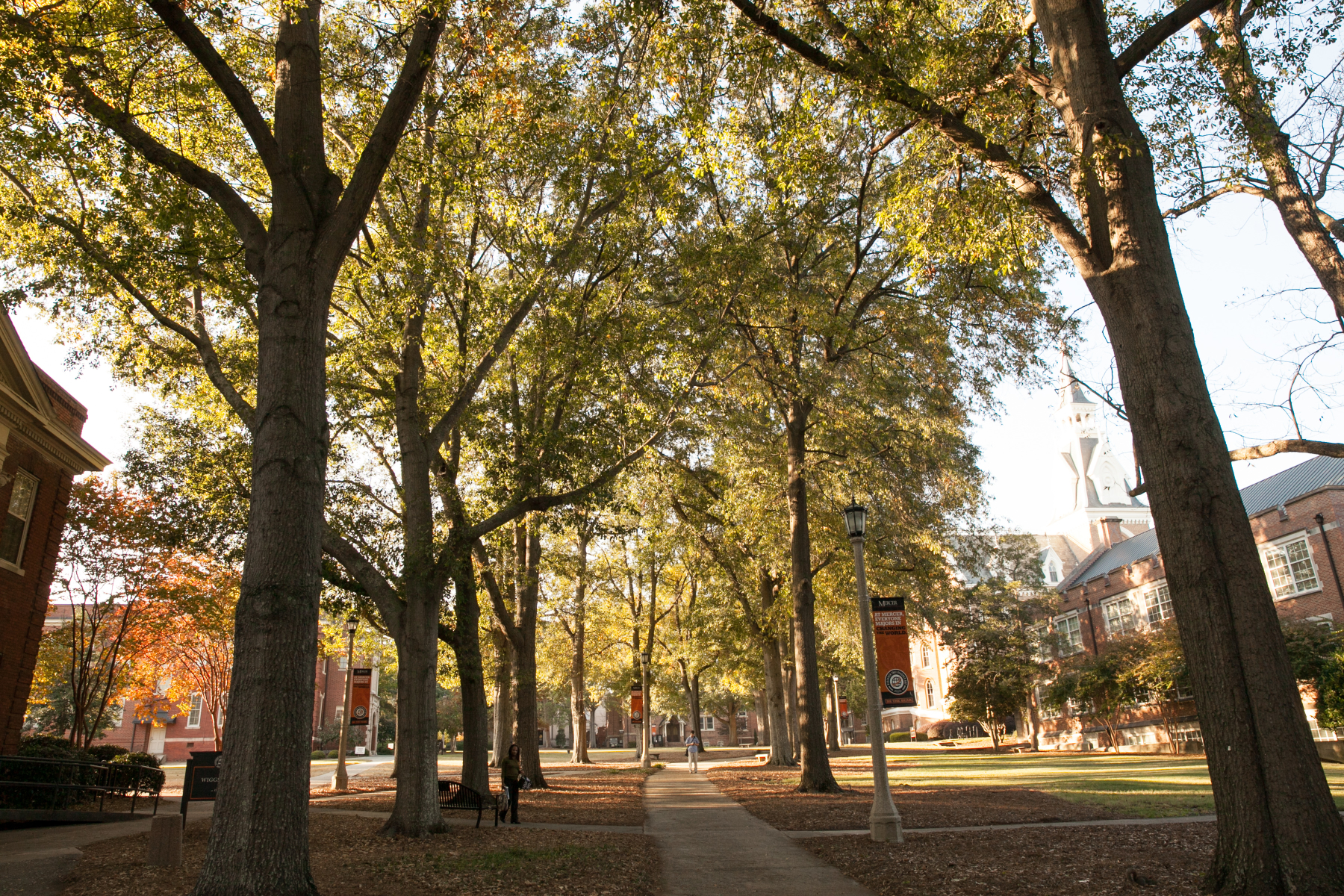
Well, of course, Christmas and the holiday season are about much more than trees. And yet, trees, Christmas or otherwise, have a lot to teach us, especially at this time of the year.
Peter Wohlleben is a forester in the Eifel Mountains of Germany, and so he has spent a lot of time paying attention to trees. In his New York Times bestselling book, The Hidden Life of Trees, he describes walking through the forest and noticing a peculiar rock that had moss growing on it. Bending down, he scraped off some of the moss with his knife, only to realize that what he thought was a rock was actually an old tree stump.
The fallen trunk and branches had long ago decomposed. Surprisingly, instead of being rotted and mushy, the old stump was hard, hard as … well, as a rock. He scraped a little deeper, and “what to his wondering eyes should appear” but a bright green layer of wood just below the surface. This was an obvious sign of photosynthesis, the process by which leaves turn sunlight, water and carbon dioxide into food for the tree. It’s how all living trees make their own food.
But, this old stump was dead. It hadn’t sprouted a leaf for years. So, it was impossible for it to conduct photosynthesis. And, yet, there was the green, telltale sign of photosynthesis and life. How could this be? Wohlleben set out to find the answer.
As a forester, Wohlleben knew trees are like icebergs. The largest part of them is beneath the surface. Trees extend their root systems to lengths that sometimes triple the size of their crown. In a forest, the roots of trees intertwine with each other in what Wohlleben called a “wood wide web.”
Studies have shown that through their millions of hair-thin root tips (mycorrhizal fungi), trees can pump nutrients into one another. It seems that by means of this interconnected system of microscopic roots, trees “communicate” with one another if one of them is not well. Through this same web, they share nutrients with one another.
That was exactly what was happening with the old stump. It was being supported and kept alive by the surrounding trees in the forest. They sensed its need and sent it food to keep it alive.
Supported by the research of Dr. Suzanne Simard, Wohlleben contends that through these intricate interconnections, trees send water and food and even warnings of danger to one another during times of stress. “Mother trees” feed their seedlings with extra nutrients to help them grow. These giants in the forest link the smaller and more vulnerable trees — even old stumps — together into a kind of woodland family.
The takeaway from Wohlleben’s The Hidden Life of Trees is that the trees in a forest are not isolated organisms, but they are, in fact, a community. They look after each other in ways we had never imagined. The young and the old, the sick and the vulnerable are supported by the larger, stronger trees. Instead of being competitors for the limited resources of sunlight and water, they are a generous community that takes care of each other to keep the whole forest healthy.
We have a lot to learn from the trees in the forest. During this season of lighting our holiday trees, maybe we should also let them enlighten us. Maybe we could become communities of caring for one another, sharing what we have with others, so that our “forest” could be healthy and well. Maybe we could experience the joy of giving what is ours to help make life better for others. And, maybe we could keep doing so, not just for this season, but for the whole year. May it be!
Happiest holidays … for all!