A Mercer University School of Engineering alumnus is playing a key role in preparing for the future exploration of space.
Matthew Ziglar, EGR ’12, is a structural analysis engineer at Boeing in Houston. In this role, he’s worked on future human space exploration projects including concept studies or proposals for the human landing system, which will take astronauts to the surface of the moon; lunar terrain vehicle, which will help astronauts explore the lunar surface; and Mars transit habitat vehicle, which will take astronauts to the red planet and back.

He has worked on concepts for the Gateway, which will be the first space station around the moon, and the next generation of Earth-orbiting space stations.
“It’s been an honor to be in the industry and on the forefront of a lot of things that are going on,” he said. “Being able to look at what’s coming next, what is NASA needing that Boeing can develop to further NASA’s goals, and human space exploration in general has been a big motivation for me.”
Ziglar earned his Bachelor of Science in Engineering and Master of Science in Engineering, both in mechanical engineering, as part of Mercer’s 4+1 Integrated Degree Program. The program allowed him to start graduate work as a senior and earn his master’s after only five years of school.
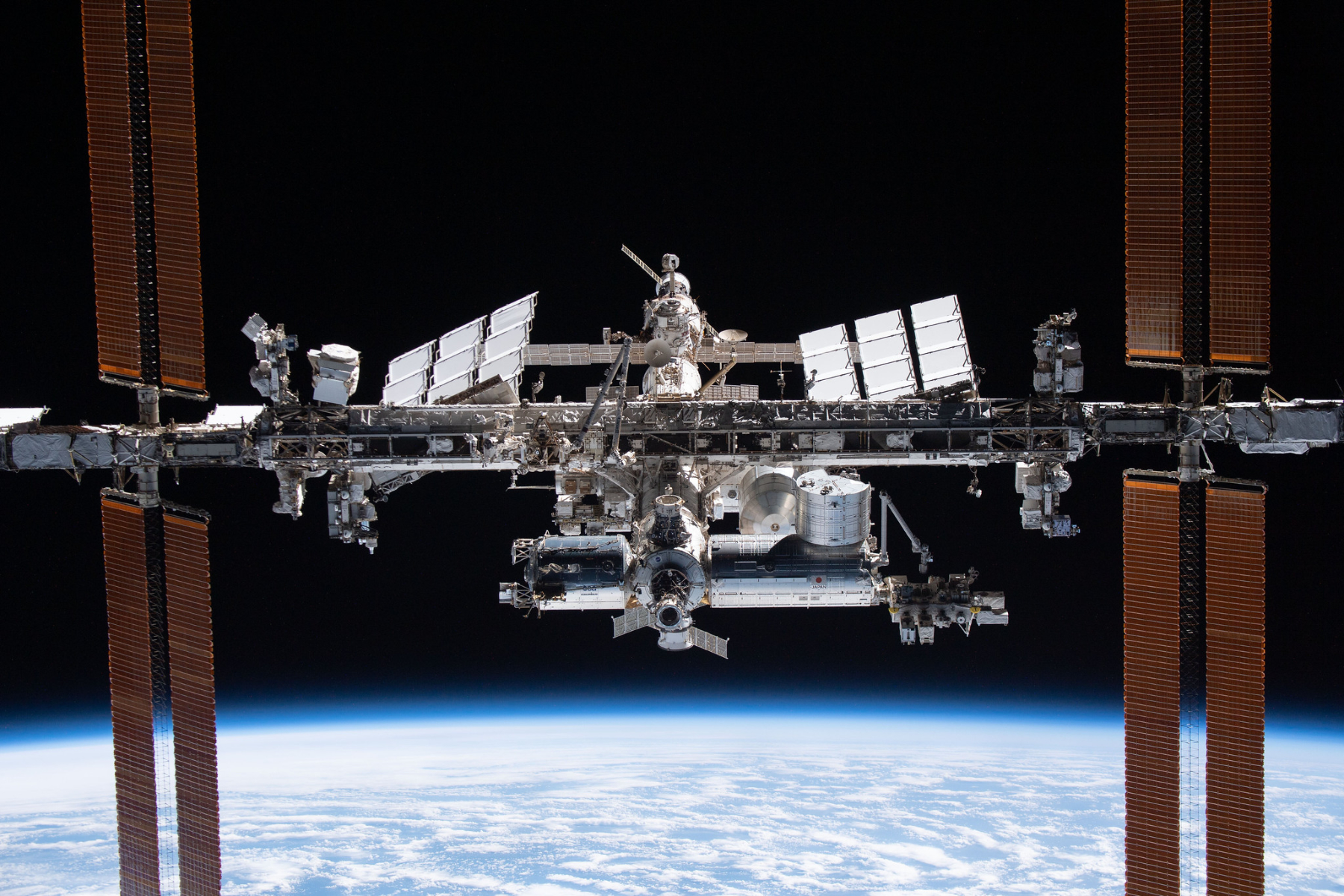
He joined Boeing immediately after graduating and began working on the International Space Station program. At the time, the space station was nearing the end of its structural life, and Ziglar was part of the effort to extend it.
“Almost immediately, I had to present things to NASA to get approval for analysis plans and the approach we were using,” he said. “It’s been approved through 2028, and there’s actually an ongoing effort right now to extend the life even to 2038 to continue to use the International Space Station since it’s been such a great resource.”
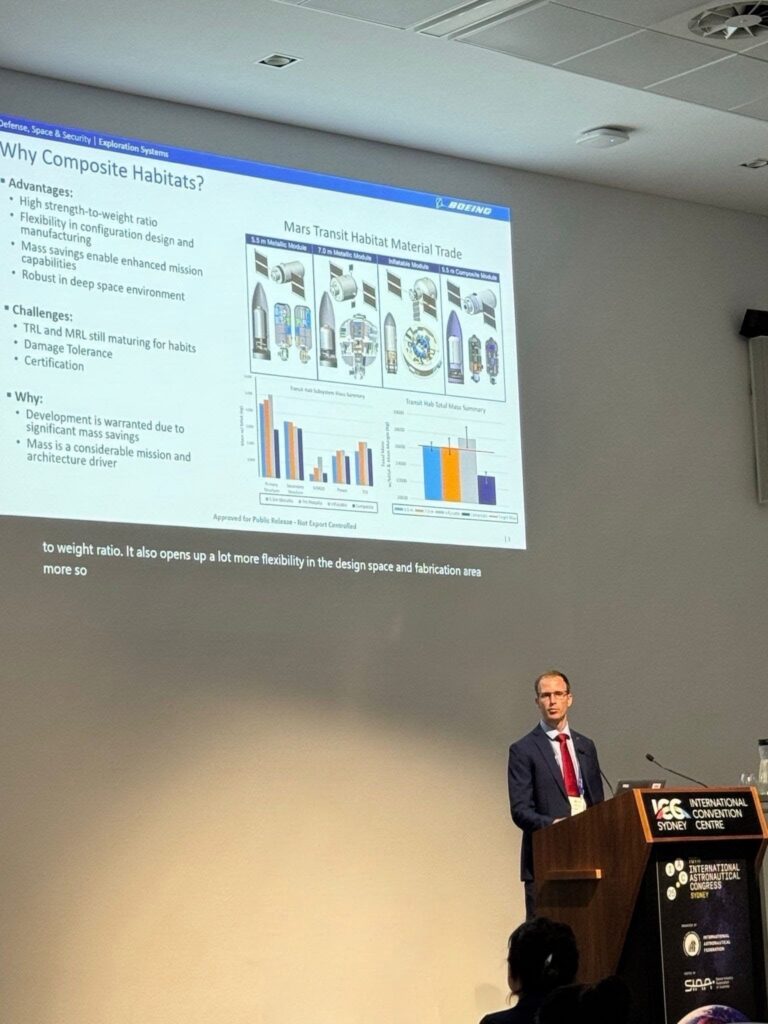
Ziglar has advanced in his role from working on current programs to advanced space exploration where he leads technology development.
Recently, he’s been developing a lunar surface habitat, which would allow astronauts to live on the moon. The habitat needs to be light enough to transport to the moon and have all necessary systems to keep the crew alive in space. He has been leading research and development projects to enable a habitat structure made of carbon fiber composite material to reduce the mass of the system.
“We haven’t actually gone and built hardware yet, but (we’re) defining what that would look like,” he said.
Ziglar said his Mercer education helped him not only land his job at Boeing but also advance in his career. The University gave him foundational knowledge and taught him how to apply it in real life. He also learned technical communication skills that allowed him to successfully present complex engineering concepts to a variety of audiences including at various aerospace conferences.
“I’m putting all my mechanical engineering education into practice,” he said.