Theirs was a whirlwind romance.
It was 1969. They met by chance in Argentina, but she lived in Chile. There were no cellphones or internet, and where they lived even home phones were uncommon. So, they wrote letters.
He called himself a fool in love, writing her 90 letters, eight telegrams and six postcards, and scribbling love notes on napkins and receipts. They saw each other only three times before marrying — just 10 months after meeting.
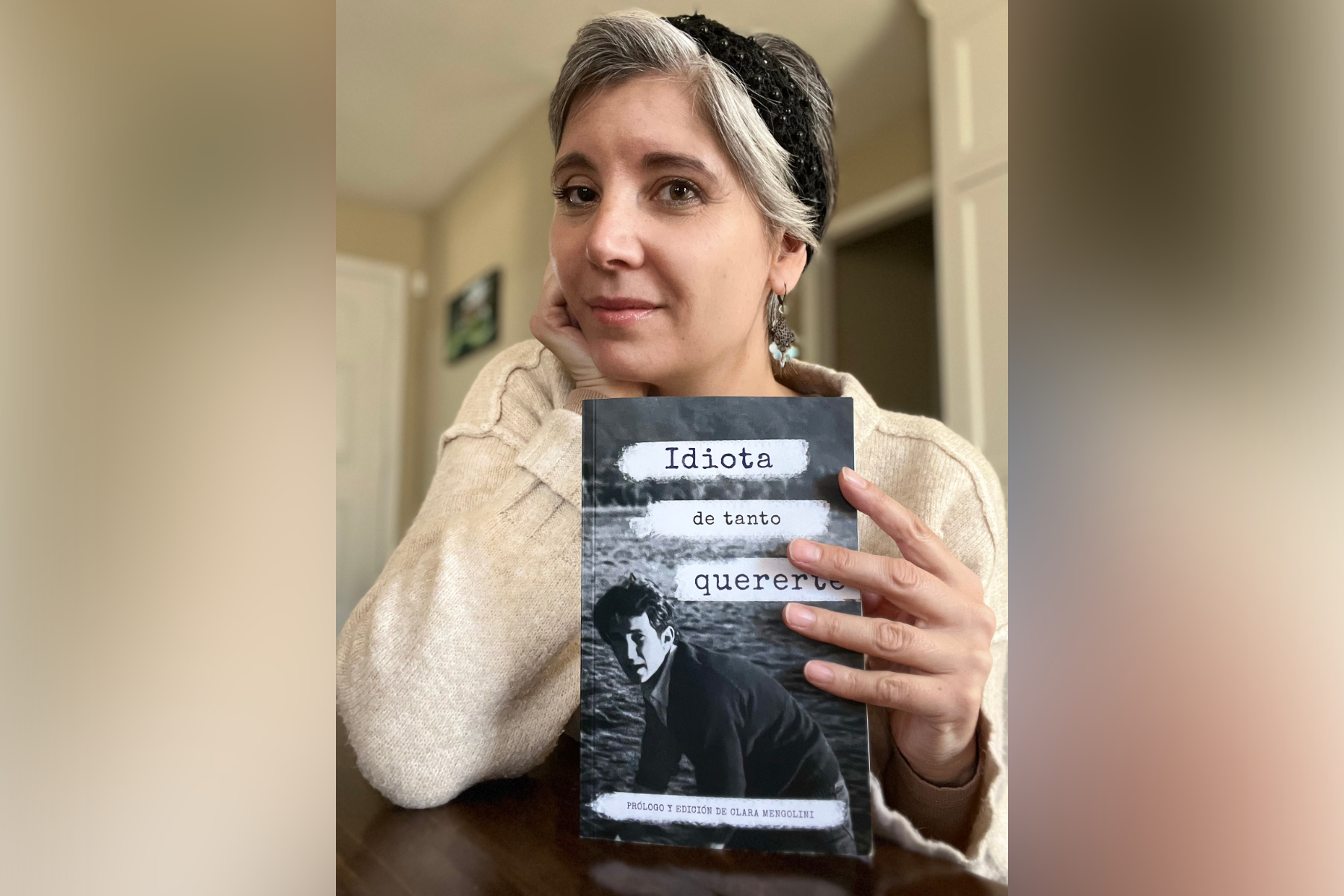
Jose Mengolini spent the rest of his life with his love, Maria Elena, whom he affectionately called Kitty. They had four children, including Dr. Clara Mengolini, an associate professor of Spanish at Mercer University.
In 2021, Dr. Mengolini was helping her mom clean out the closets of her childhood home in Bariloche, Argentina. Her dad had died of COVID-19 the year before. Buried in the closet in the TV room, alongside pictures of her dad riding horses and his riding helmet, were his love letters.
Though Dr. Mengolini’s mom didn’t keep the letters she wrote back, she treasured the 232 pages from her husband and gave them to her daughter to take back to the U.S. When Dr. Mengolini returned to Georgia, she started reading the letters, one per day to make them last longer.
“It was very weird — weird in a beautiful way — to read when Jose and Kitty were Jose and Kitty and not Mom and Dad,” she said. “Imagine all of a sudden, they show you a movie of your parents where they met each other. It’s a crazy feeling to see everything, how their story began.”
Dr. Mengolini compiled the 56 letters she liked the most into an anthology and made copies for her siblings. Her sister, a journalist is Buenos Aires, Argentina, began reading the letters from the book on her radio show.
“The audience went crazy with the letters,” Dr. Mengolini said. “They started writing, ‘We want a copy of the book. Where can we buy a copy of the book?’ My sister said, ‘I only have one copy that my sister gave to me, but I promise I will keep reading letters every day.’”
In 2024, the radio station’s operator, Futurock, released a limited edition of Dr. Mengolini’s book, Idiota de tanto quererte, through its publishing arm, Futurock Libros. The book, whose name translates to “I’m a fool because I love you so much,” sold out.
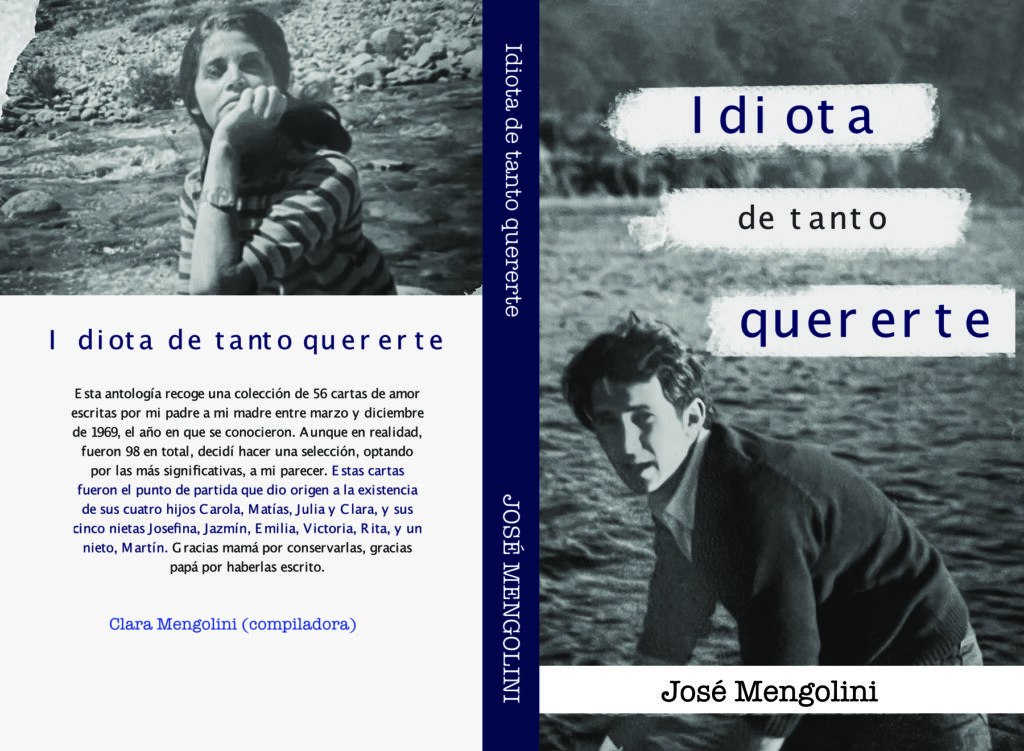
The letters introduced Dr. Mengolini to a younger version of her father that she never knew. In the book’s prologue, she described the letters as having a “playful, seductive, tender and shameless tone.”
In one letter, he wrote, “Tonight, if you were here, I’d bore you a lot, because I’m a bit idiotic from loving you so much, I’ve forgotten all literary styles, all punctuation, I have mistakes, and I don’t care at all, I just love you.”
The letters revealed a sense of desperation during a time when communication wasn’t immediate. Jose would go to public phone booths with appointments to call Kitty, but sometimes the phone wouldn’t work, prompting him to write: “Today is Wednesday and since Saturday I haven’t written to you, it’s an eternity, always waiting for the blessed phone call that doesn’t come through the short wires.”
They also captured his everyday life in Argentina. He shared his political ideology and desire for adventure. At the time, he was teaching high school math while also working as a ski instructor in the winter and fishing guide in the summer.
“The letters where he would tell about being a teacher moved me a lot because I’m a teacher,” Dr. Mengolini said. “I would see we had so many things in common, and we never talked about that. I told my mom, I wish I would have talked to Dad more about his experiences as a teacher because there were many things that I felt were alike.”
Compiling the book has prompted her to think about all the other writers who used a pen and paper to express their love and how she could share that with her students.
“I think it would be a beautiful class to teach, either in INT 301 or even the Spanish department,” she said. “Love letters are not only letters because, if you think about it, we have romantic movies, romantic music, romantic art. It would be a beautiful class to create. And I can include love letters of my parents. I’m sure my students would love that.”