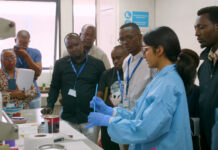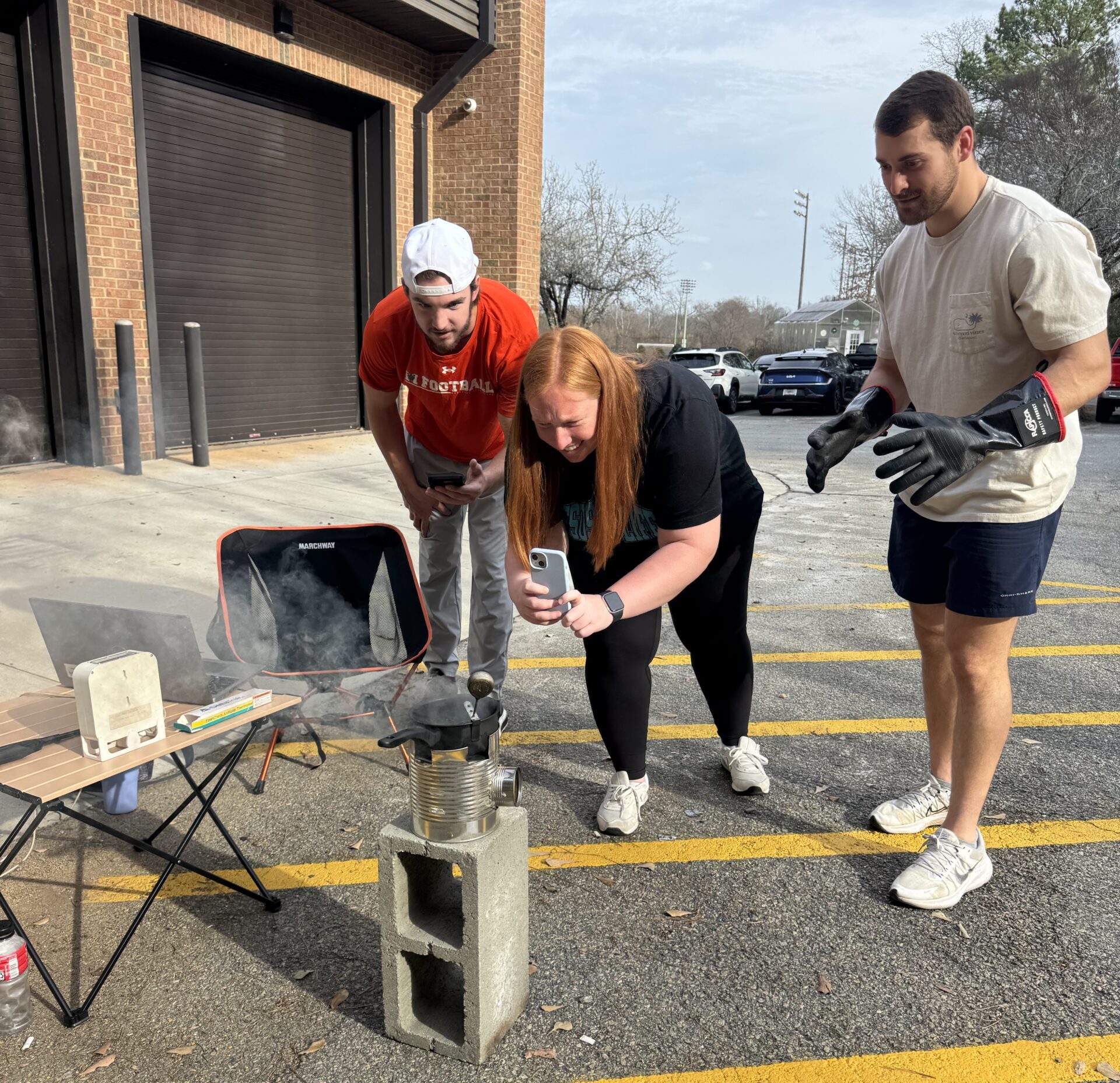
A class project brought to life concepts of sustainability, air quality and public health this semester. Dr. Adaline Buerck tasked her students with building cookstoves, an experience that gave them insight into engineering in developing countries.
This is the second time that Dr. Buerck, assistant professor of environmental and civil engineering and director of the Cecil Day Family Center for International Groundwater Innovation, has taught Mercer’s engineering for development course and led her students in this project. She completed a similar cookstove assignment as a civil engineering student at University of South Florida and reached out to her former professor for guidance incorporating it into her own course.
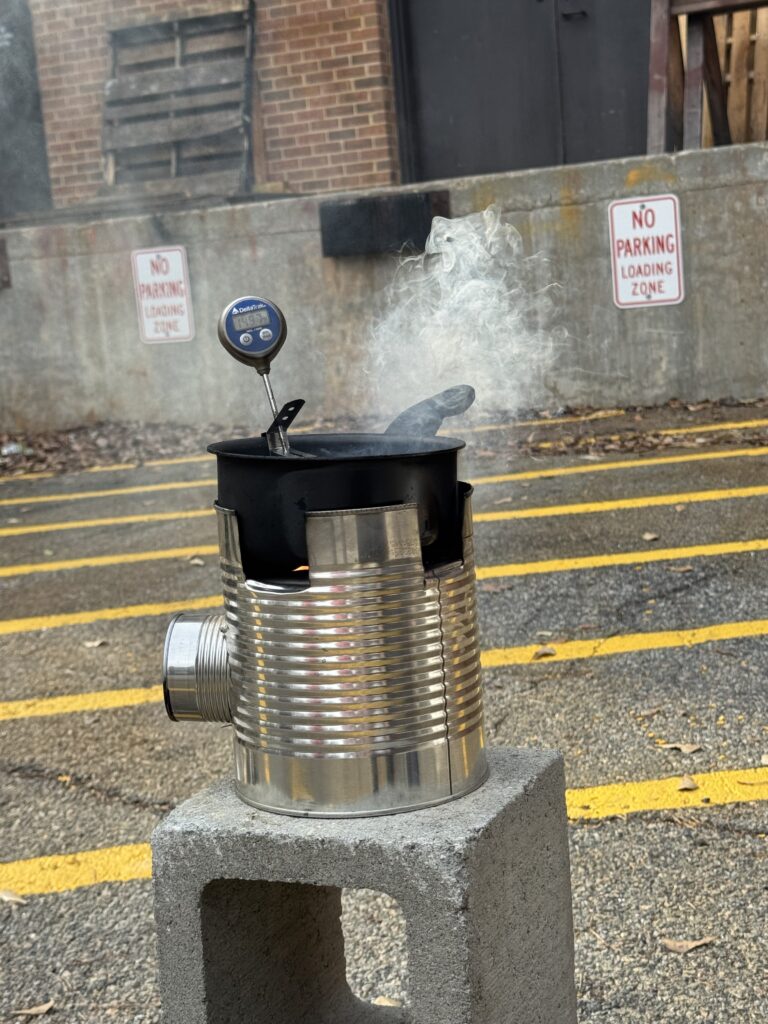
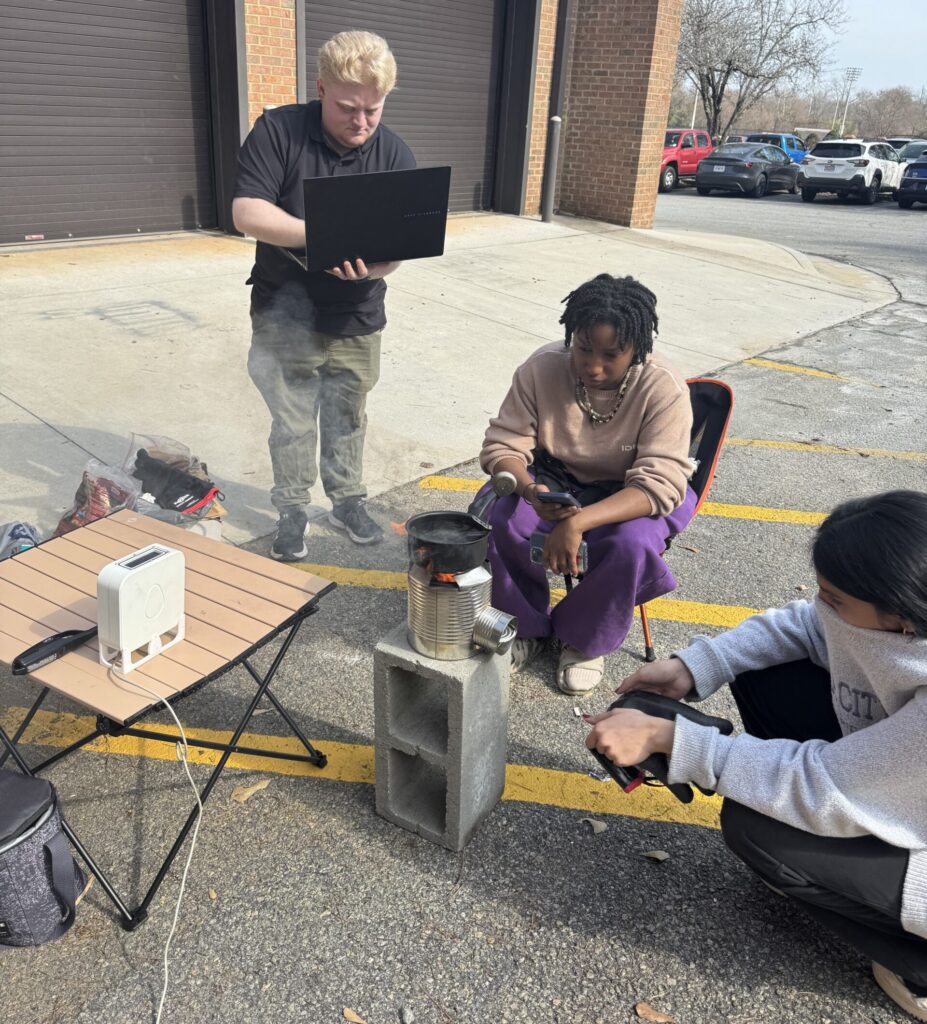
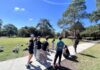
In small groups, the 13 students created a simple “rocket stove” using a large tin can and two soup cans recycled from Mercer Culinary Group, plus soil or rocks. They had the option to make slight modifications to the design. During the building process, they learned about innovation and safety in engineering projects; how to use a cookstove and tools such as a dremel; and how to think through the design process, Dr. Buerck said.
After the device was constructed, students tested how long it took water to boil in it and measured the stove’s impact on air quality.
“So they’re figuring out how efficient their cookstove is by measuring how much fuel they’re using,” Dr. Buerck said. “The type of stove they make is similar to the style used in certain countries. “It gives ideas of how this impacts air quality. It gives them a real-life perspective.”
Depending on the construction, sometimes ash is emitted by cookstoves. Students gained an understanding of how that impacts air quality and can negatively affect the health of people using the devices in their homes, Dr. Buerck said.
Lauren Folsom, a senior civil engineering major, said the cookstove project was an example of how things may be engineered differently in developing countries. Her group’s cookstove boiled water in about six minutes and emitted minimal pollutants.
“It was a good project to learn the different ways that we can engineer, and it helped us to be creative and brainstorm ways we can do things with different resources,” she said. “We’re used to one way, but if you go into other countries where they don’t have the same resources, they get creative with the way they cook.”
The students will finish out the semester with a few other hands-on projects. Earlier in the class, they completed some online certification training courses offered by the American Red Cross and international development agencies related to engineering for development, Dr. Buerck said.