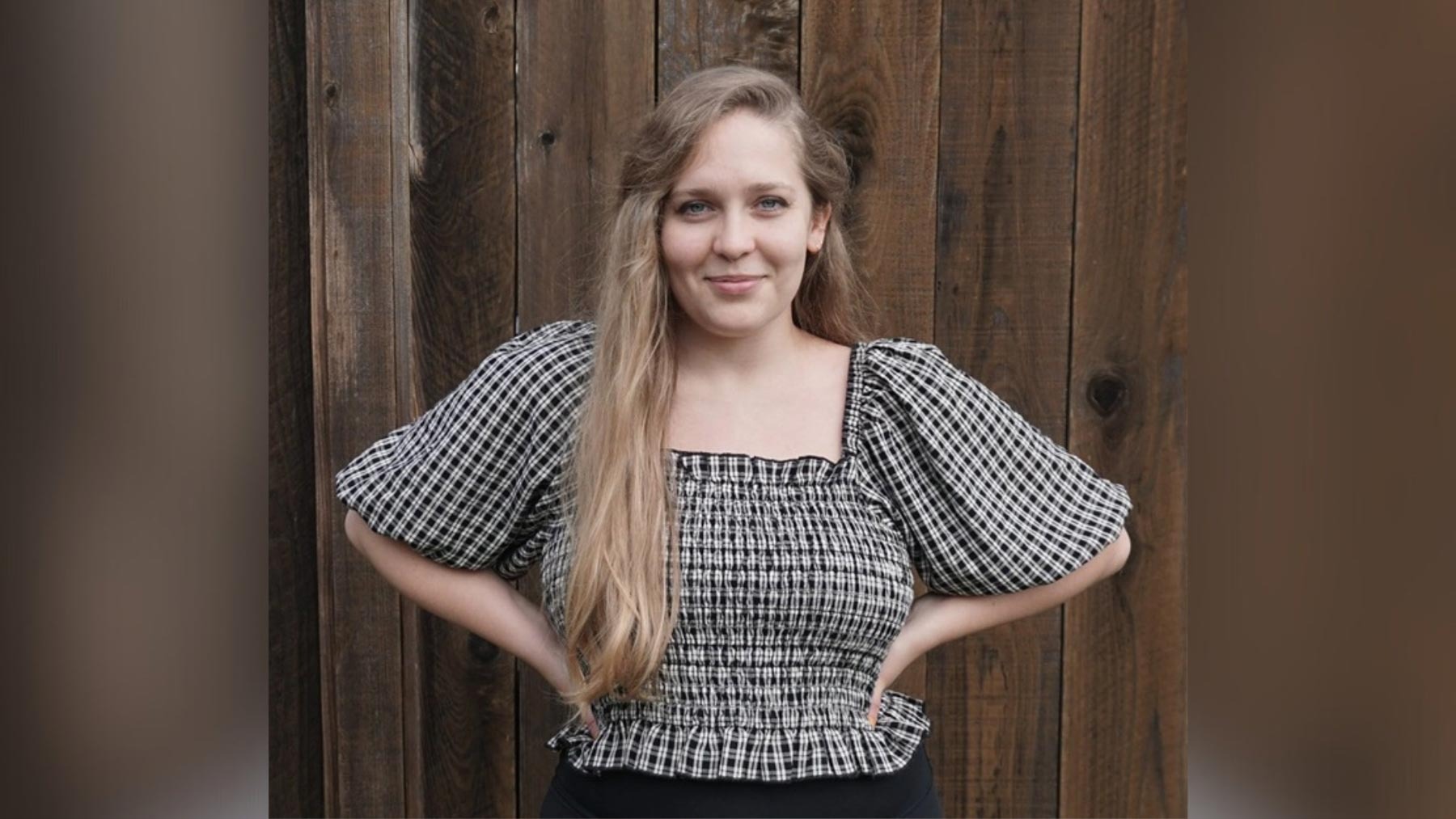
Dr. Kaydren Orcutt loves that her work allows her to tap into her creativity. The 2017 Mercer University graduate and former Goldwater Scholar helps companies find safer chemical solutions for their products and processes as a research chemist for the U.S. Department of Agriculture’s Agricultural Resource Service.
Dr. Orcutt, who grew up in Charleston, S.C., was exposed to the sciences early in life because her grandfather was a petroleum chemist and her aunt and uncle are biologists. She became interested in attending Mercer after an admissions counselor visited her high school. She was completely sold after a weekend campus visit where she connected with the people she met and witnessed the small class sizes and one-on-one attention from professors.
She was a chemistry major and Spanish and physics minor, a Stamps Scholar and a University Honors Program participant. The two-semester “problems in chemistry” course gave her a taste for unique chemistry environments such as computational chemistry, and four years of research with chemistry Professor Dr. Kathy Kloepper showed her what a career in science could be like.
As a sophomore in 2015, she was awarded the prestigious Goldwater Scholarship. At the time, she was Mercer’s fourth-ever winner of the award. Dr. Orcutt said the Goldwater application was her first time writing a research proposal, and the process itself was extremely beneficial.
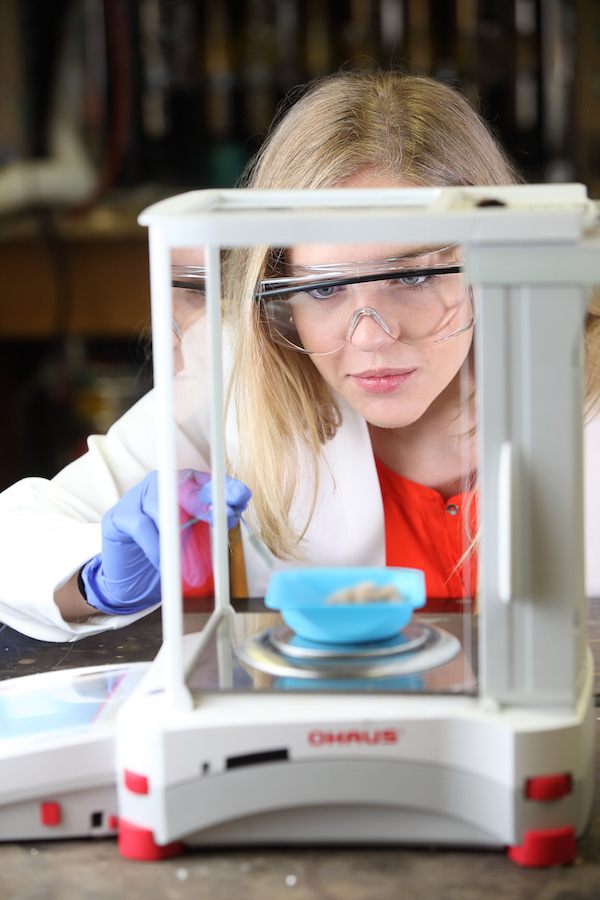
“You’re really able to see how things work in the real world. It’s not just you did well in your classes,” she said. “I was able to work with Dr. Kloepper, Dr. (Adam) Kiefer and Dr. Garland Crawford and sit down and really think about what goes into research and what goes into a research proposal, and that’s what I use on a day-to-day basis.”
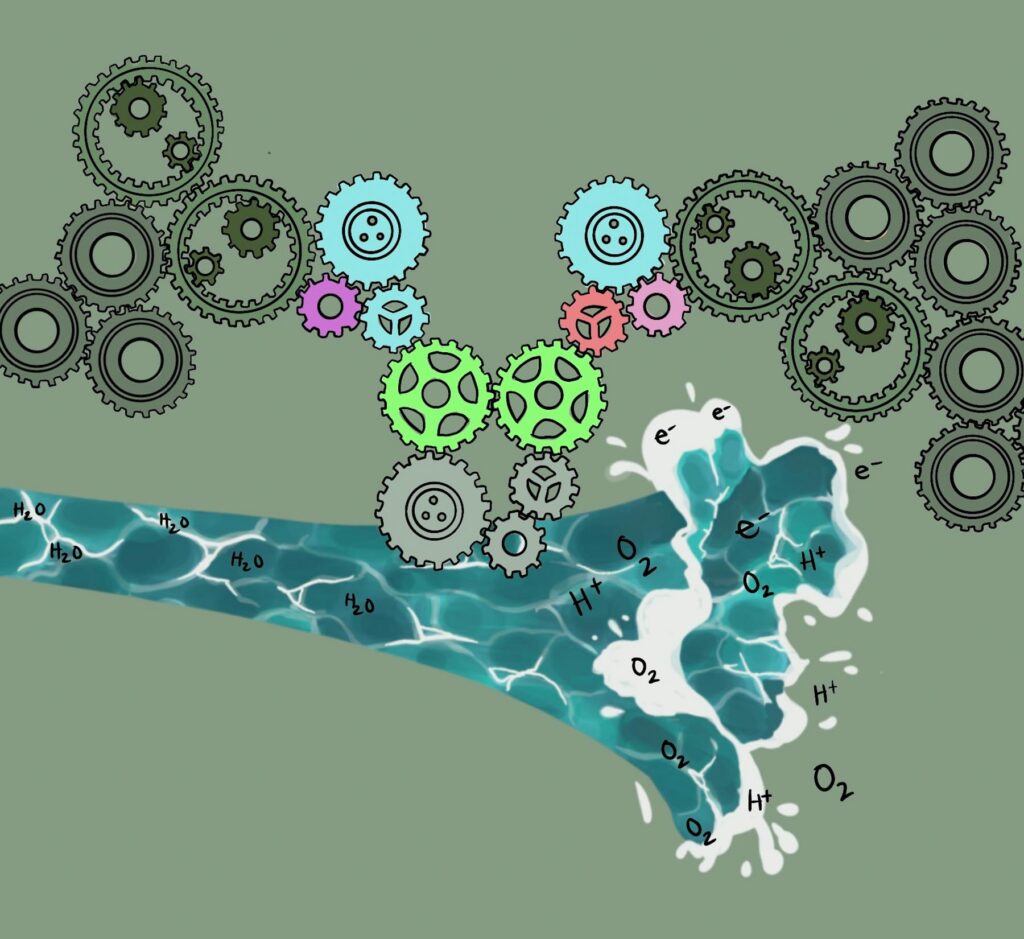
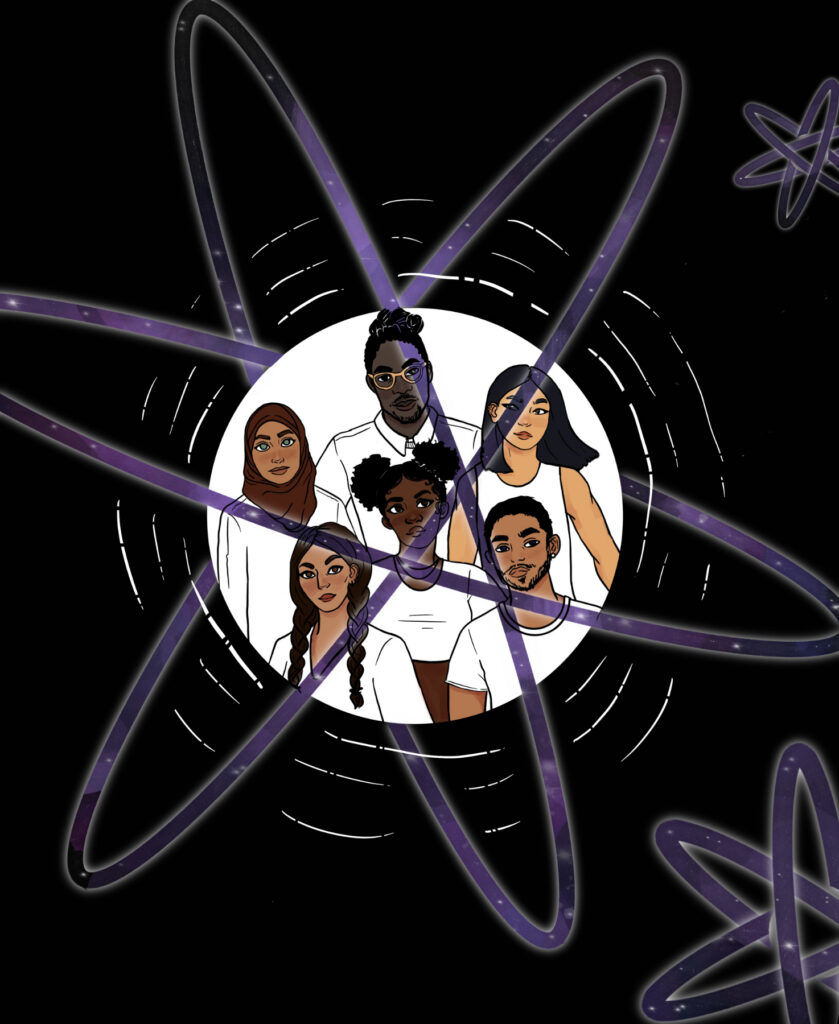
The summer before her senior year, Dr. Orcutt participated in a 10-week research program at University of California, Berkeley, through the Amgen Scholarship. After graduating from Mercer, she went straight into the physical chemistry Ph.D. program at Berkeley, where she worked on projects related to light absorption by plants and energy transfer. She was also involved in research and science communication with the Center for Synthesizing Quantum Coherence.
Toward the end of her Ph.D. studies, she worked with an industry partner on chemical solutions through a course offered by the Berkeley Center for Green Chemistry. Her involvement in that class opened the door for an internship with the Agricultural Research Service at the Western Regional Research Center in Albany, California.
As a postdoctoral researcher now with the same organization, she works with agriculture startup businesses to solve issues related to sustainability and safety.
“I help a team of technicians, so I do less lab work and more experimental design. So if a company comes to me with a question, how do we answer that question?” she said. “It’s really interesting. I want to be able to keep learning different things. My niche is more on the application basis — can you answer these questions and make it a better product?”
Dr. Orcutt’s team does a lot of product development and quality control testing, including testing biodegradable materials. With one business, her lab is exploring the use of shellfish waste to make bioplastics for agricultural purposes. For another, her lab is trying to find safer treatment alternatives for food processes.
“Because I’m in this middle ground where I work with academic groups and industry, I get a much more unique perspective on what is important to different people,” she said. “Being able to really see something through from the research phase to what could possibly be a product is really cool.”
Dr. Orcutt enjoys the creative thinking that is involved in finding solutions for these companies and being able to mentor students — from high schoolers to undergraduates to graduate students — in this process. She also serves as a guest lecturer for Berkeley’s greener solutions class, a course that had a significant impact on her when she was a student. She loves seeing her former students progress and find success in the field.
“I take pride in being able to help my students and people find something that they like to do in science. Being able to match people to programs is really important because then you’re not discouraging them from the field altogether,” she said.
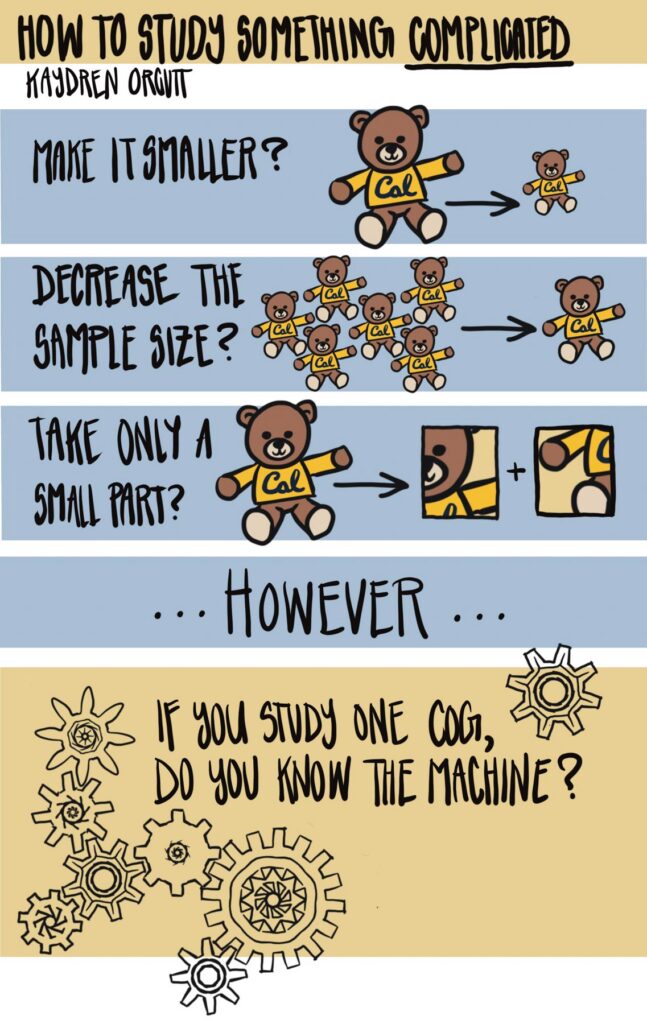
Dr. Orcutt also has a passion for creating digital art to accompany her research, including iPad drawings and figures made in PowerPoint, Photoshop and Illustrator. She tapped into this passion during the COVID-19 pandemic, when she enhanced her science communication skills through a variety of online workshops.
She believes in “science that has an effect — for the environment, for our communities — and effective science communication that not only increases the scientific literacy of the general public, but also serves as a gateway into science for the public,” as her website states.