A Mercer University professor is drawing on her research and experience to develop an initiative aimed at supporting teens in foster care. Bear Bridge, founded by Amber Ingram, Ph.D., assistant professor of psychology, promotes connection, stability and access to resources as these children transition to adulthood.
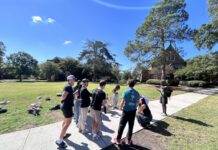
Mercer hosted Bear Bridge’s inaugural weekend summer camp for 13 foster care youths from June 26-28 on the Macon campus, and Ingram plans to offer it again next year. The camp was designed to give the teens, aged 15-19, skills for college preparation and independent living.
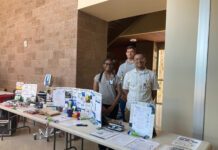
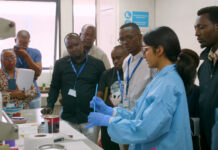
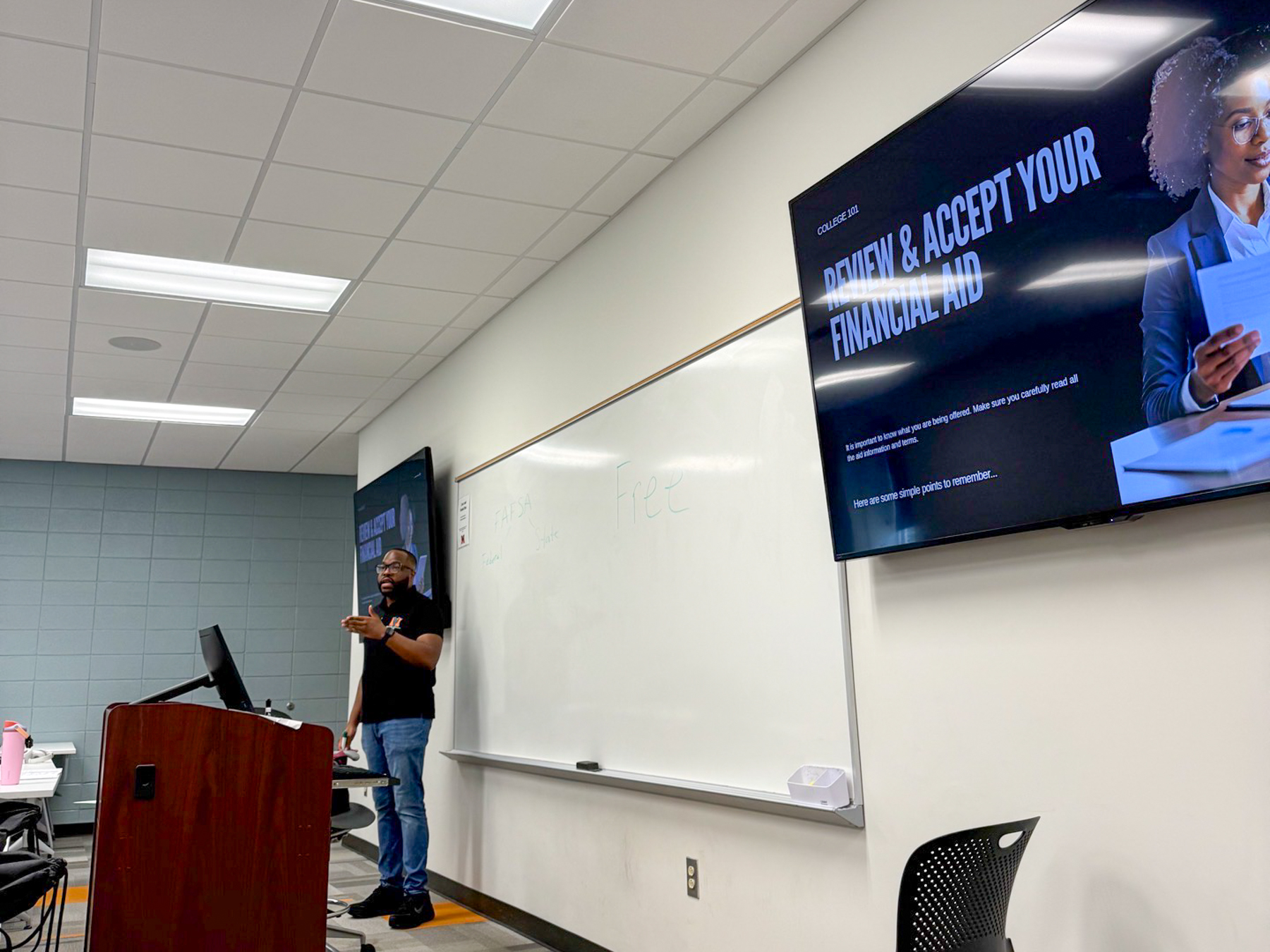
The schedule included presentations from Mercer staff, a Central Georgia Technical College representative and small business owners. In addition, campers learned about car maintenance, relationships, healthy living and budgeting. Eight Mercer students served as mentors known as “Bear Buddies” during the program.
“I do a lot of work with foster kids. That’s one of my research interests, and that stemmed from my own time in foster care,” said Ingram, who entered foster care in elementary school and was adopted after seven years in the system. “So, I kind of had a personal approach, and I felt like there were a lot of misconceptions about being a foster kid.”
With that in mind, she designed a class, held in fall 2025, to dispel some of those myths and allow students who want to work with those impacted by foster care to understand the research and psychology behind some behaviors.
Many children in foster care suffer from trauma, she said. They may be told — directly or indirectly — that they are in foster care because they did something wrong or that they won’t amount to anything because of their backgrounds. They may have post-traumatic stress disorder or other mental health challenges that foster parents are ill equipped to deal with, leading them to be shuffled through even more homes.
“Trauma disrupts the brain, and with a lot of changes in housing, there is no stability. So these kids just kind of learn to survive rather than live,” Ingram said.
At the end of the class, she wondered aloud what it would be like to put together a camp at Mercer for foster teens. Several of her students said they wanted to help, and they spent the spring 2026 semester working out the details of the camp.
“The camp was really just sort of an informal idea that I came up with at the very end, and I was really blown away by the fact that so many of them had taken it to heart so much that they wanted to do something to help the teenagers in Middle Georgia,” said Ingram, who studies how to build community for adolescents in foster care.
Mara Rammler, CLAS ’28, served as a Bear Buddy during the camp.
“A lot of it was just us putting ourselves out there trying to get to know the kids and let them know we’re there for support,” said Rammler, a psychology major. “It was really just us being there. We stayed in the dorms with them. It was us getting on their level and showing them they’re not alone.”
Psychology major Courtney Holland, CLAS ’28, said the camp was a good opportunity for her to get a sense of what it would be like to work in the field. She said she enjoyed building relationships with the campers and being a sounding board for them.
“Making connections with people who haven’t gotten the chance to live the way I do, hearing their stories and learning their aspirations, I feel like it really shifted my perspective of psychology, and it made me appreciate it a lot more,” she said.