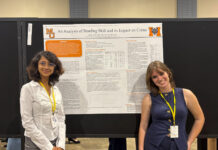
A Mercer University professor is researching the impact of physical activity on attention in children with dyslexia, with initial findings showing movement breaks can improve elementary school students’ focus.
Dr. Adam Keath, director of the health and physical education program in the College of Education, said researchers already know that physical activity during the school day has significant effects on neurotypical students’ academic performance, but not much is known about the effects on students with dyslexia. At the same time, students with dyslexia often use more cognitive processing while reading, which can lead to academic fatigue.
“They’re working a little bit harder in their cognitive processing every time that they’re doing a reading task,” Dr. Keath said. “So that refresh opportunity, that movement break, and that opportunity for physical activity seems like a good place to start with them to get them more engaged in their academic learning throughout the day.”
Students with dyslexia are understudied compared to neurotypical students, and because dyslexia is often underdiagnosed, it can be hard to get a group together for research, he said. He was able to overcome that obstacle by working with Roberts Academy at Mercer University, a transitional school for children with dyslexia. Dr. Keath teaches physical education at the school, which serves students in second through sixth grades. Located two blocks from Mercer’s Macon campus, it is the state’s only school for dyslexic students outside of Metro Atlanta.
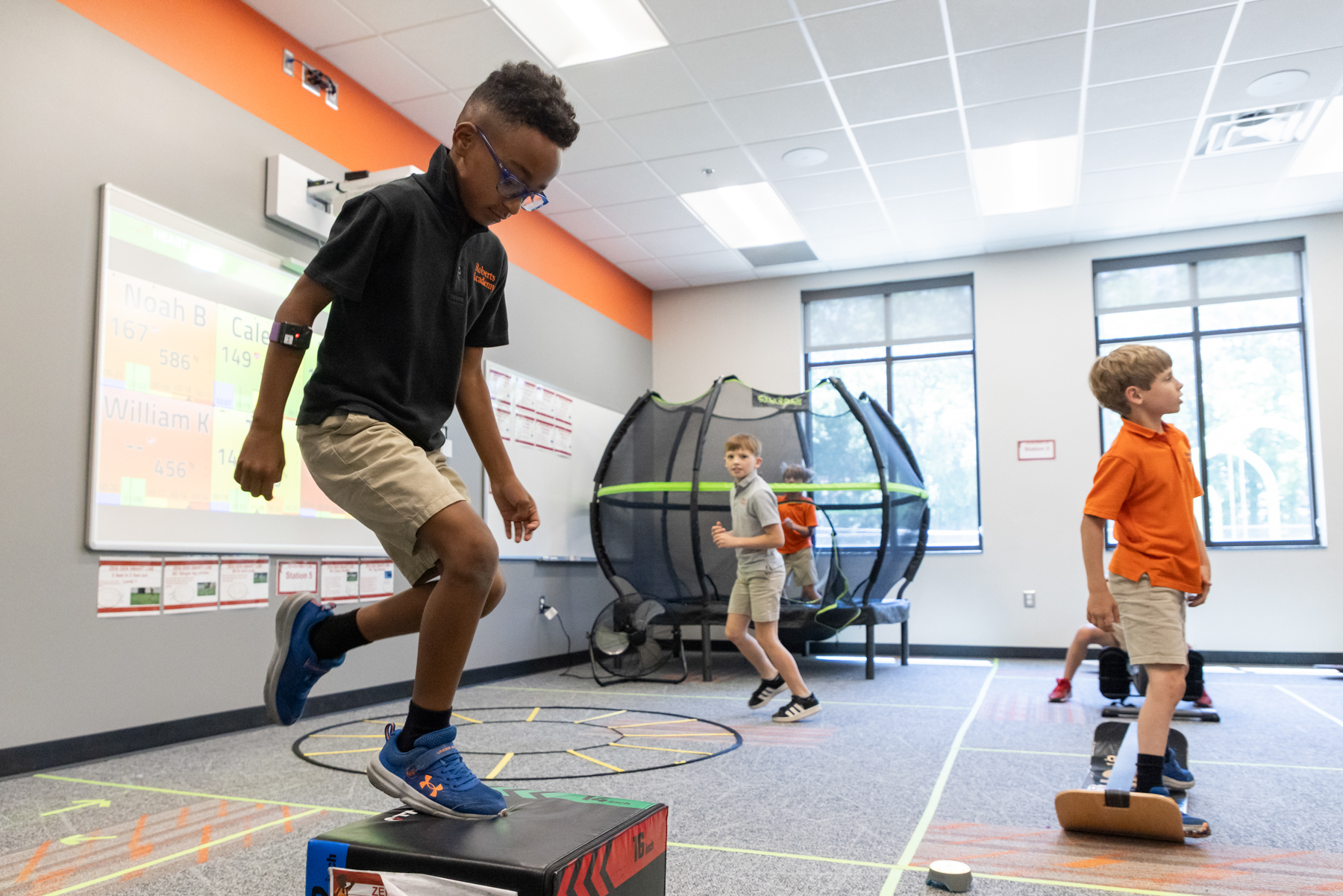
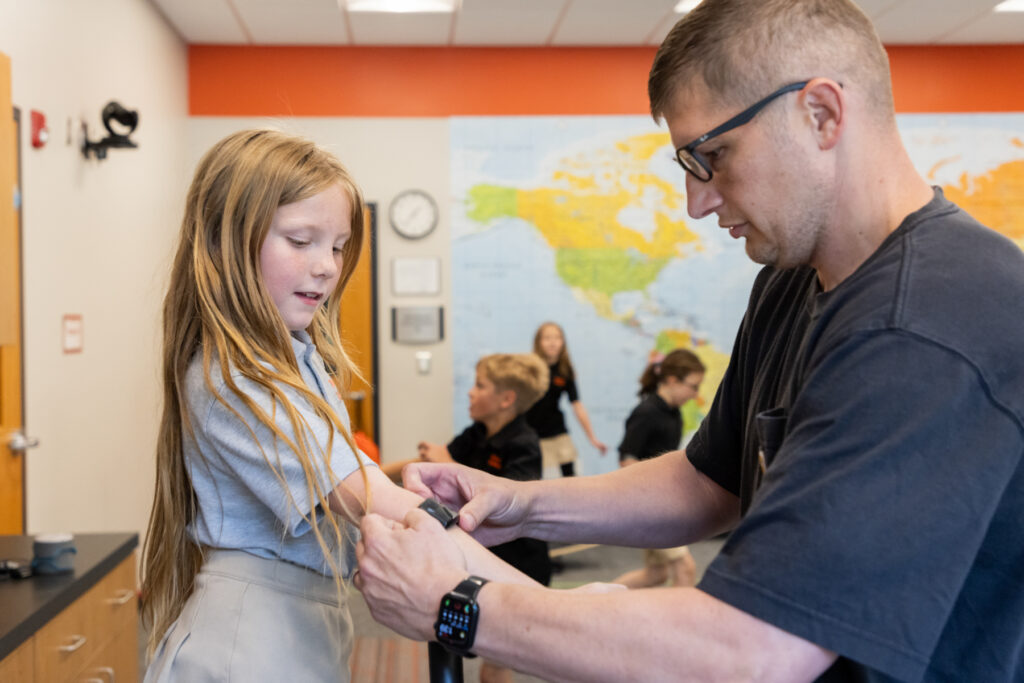
For the study, researchers implemented a 10-minute physical activity break for students and had them rotate between high- and low-intensity activities. Researchers measured the students’ attention before and after the movement break to determine the impact.
They found a strong improvement in attention across the students in the study. Findings suggest that a 10-minute investment in physical activity can translate to 12 to 18 minutes of attention, Dr. Keath said.
“Dr. Keath’s research is something we at Roberts Academy are genuinely excited about,” said Joy Wood, head of school at Roberts Academy. “His findings that vigorous exercise helps to improve attention have real consequences for how we support students with dyslexia. For families and educators who work with dyslexic learners, that finding carries a lot of weight.”
Dr. Keath said these findings are helpful for students with and without dyslexia. A period of 12 to 18 minutes can be crucial for a classroom, and school administrators can use these findings for their programs. The study also can be used by other researchers who can improve upon and adapt the findings to learn about what can help students with dyslexia as it relates to attention.
“We’ve kind of found in line with existing research on neurotypical students that the bouts of physical activity generally help,” Dr. Keath said. “So what we were able single out is the amount of moderate to vigorous physical activity the students put in directly correlated to the level of intentional improvement that they had.”