Their bodies told the story of pain and trauma.
A mother and her two sons were walking in the streets of Vietnam during the war, and a grenade came barreling toward them. One son jumped on the grenade, making a split-second decision that killed him but saved the lives of his mother and brother.
The other son grabbed his mother to protect her. Still, she lost a leg, and he lost an arm and leg, in the explosion.
“You could kind of see the whole accident happen in their injuries,” recalled Mercer University alumnus Chris Scrivner, a 2018 graduate of the Stetson-Hatcher School of Business, who met the mother decades later at a Mercer On Mission prosthetics clinic in Vietnam. She relayed her story to Scrivner, who was a student at the time, through a translator.
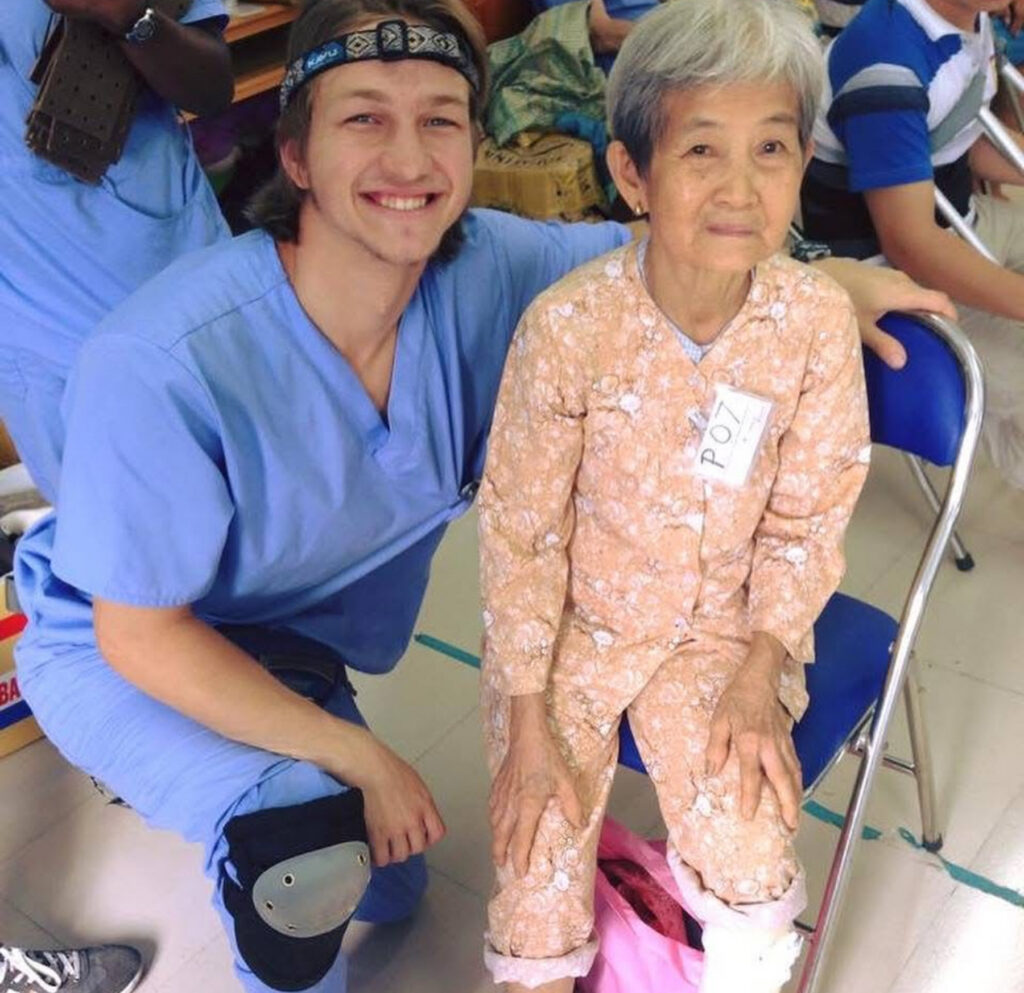
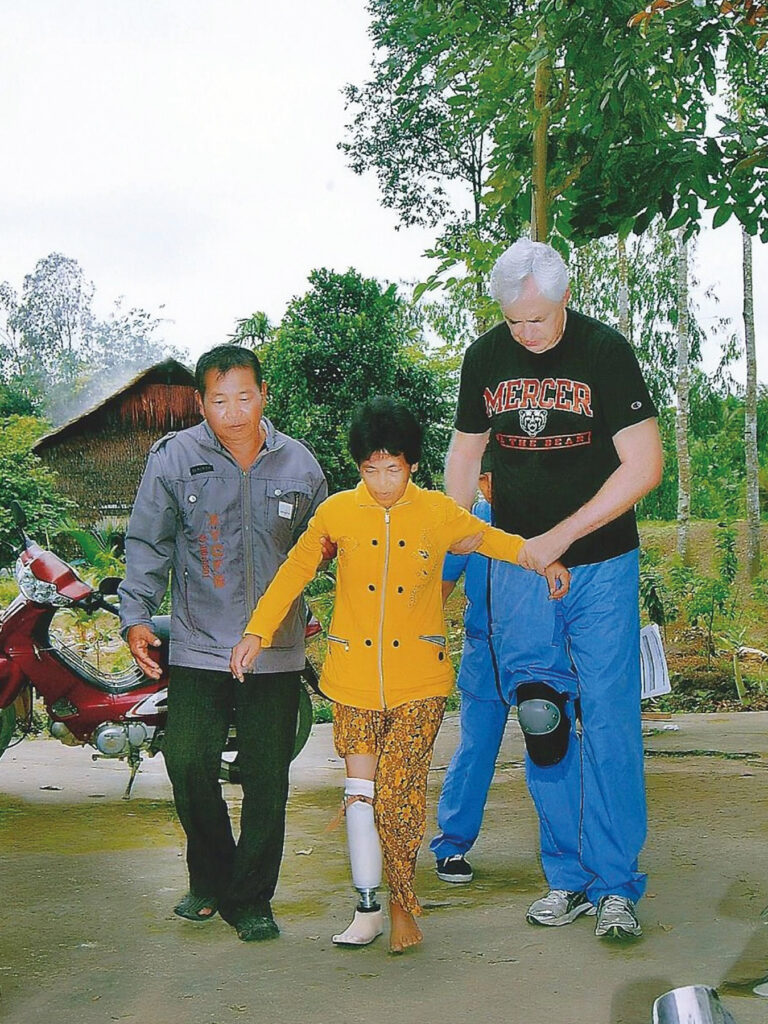
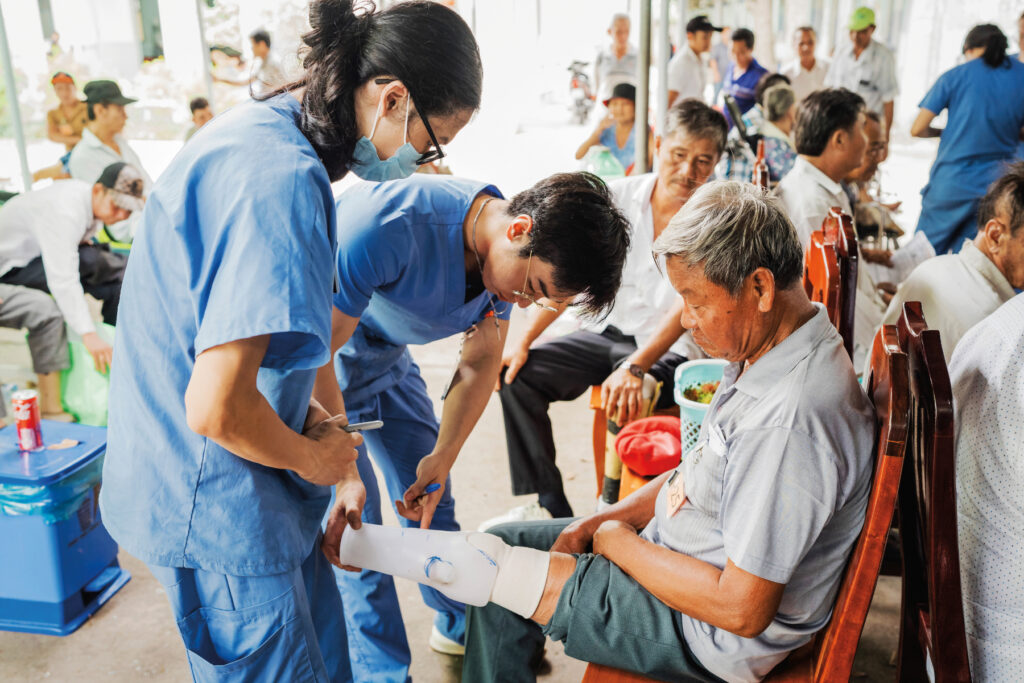
Since the first clinic opened in 2009, Mercer students, faculty and staff have fitted Vietnamese and Cambodian amputees — many injured during the Vietnam War or years later from leftover land mines — with more than 25,000 prosthetic limbs. Both mother and son are now among them.
Their story, and others like it, left an impact on Scrivner, who is now a certified prosthetist and orthotist. He said his Mercer On Mission experience underscored his desire to pursue prosthetics as a career and gave him a head start in graduate school.
“The greatest thing (Mercer On Mission) gave access to from the get-go is feeling like you’re the provider in that patient-provider relationship,” he said. “There’s a little bit of an imposter syndrome whenever you first change from student to practitioner. … I feel like being able to have already seen patients that were looking to me as a provider at that early of an age helped me get past that point of it to where I started learning what clinical practice was a lot sooner.”
For 20 years, Mercer On Mission teams led by expert faculty have worked closely with partners across the globe to identify problems and come up with long-term solutions that change lives in tangible ways.
This has included helping thousands of people walk again, supplying clean water to communities, providing business skills and therapy to families, and mitigating the health and environmental hazards of using mercury in a sector of gold mining.
The impact is felt not only by people in the host communities but also by the students who participate. As part of Mercer On Mission, students work with and learn from people who are different from them in unfamiliar places. They learn to problem-solve, be resourceful and realize they have the ability to make a difference in the world.
Since its inception, 3,165 students and 541 faculty members have traveled to 38 countries as part of Mercer On Mission. The initiative is distinctive among American universities for integrating international service-learning, applied research and faculty expertise across disciplines in a university-wide program.
“Hanging all over our campus, we have these black and orange signs that say, ‘At Mercer, everyone majors in changing the world,’” said University Minister Craig McMahan, Ph.D., who directs Mercer On Mission. “With Mercer On Mission, we certainly do that.”
Solving problems
Mercer On Mission was one of the first initiatives of Chancellor William D. Underwood, J.D., former Mercer president, who took the helm of the University in 2006. He had a vision of creating a one-of-a-kind program that combined service, international study and research while also carrying out the University’s Baptist heritage.
“I wanted it to be something that not only would meet the needs of people in different places around the world but would impact how our students thought of themselves and what they could accomplish with their lives. I wanted them to feel what it was like to use their gifts and talents to do work that really improved the lives of other people,” said Underwood, who stepped down as president in 2025 to return to teaching.
He tapped McMahan to lead the charge, and one year later, the first Mercer On Mission teams, consisting of 38 students and six faculty members, traveled to three countries.
Initially, Mercer On Mission teams helped existing nongovernmental organizations with their work. The programs soon increased in complexity and impact as in-country partners began asking for solutions to problems that Mercer was uniquely positioned to solve.
Early on, the University’s host in Kenya presented the team with a problem. Girls in the community often could not attend school because they had to spend their day collecting water for their families.
As a result, engineering professor Laura Lackey, Ph.D., co-led a program to install a water-driven turbine pump and 10,000-liter tank to bring water to the center of the community.
“When we threw the switch, the water turbine began to work. The water surged up through the pipes and finally started to splat, splat, splat in the bottom of that big plastic tank,” McMahan recalled. “And the women and the girls had gathered around the tank, and when they heard that, they started to dance and sing because they knew their water-carrying days were over.”
Years later, on a return visit to Kenya, a mother thanked Lackey, telling her that she was the reason why her daughter went to school and delayed marriage. The daughter is now a seamstress, said Lackey, who went on to become dean of the School of Engineering and returned to teaching this year.
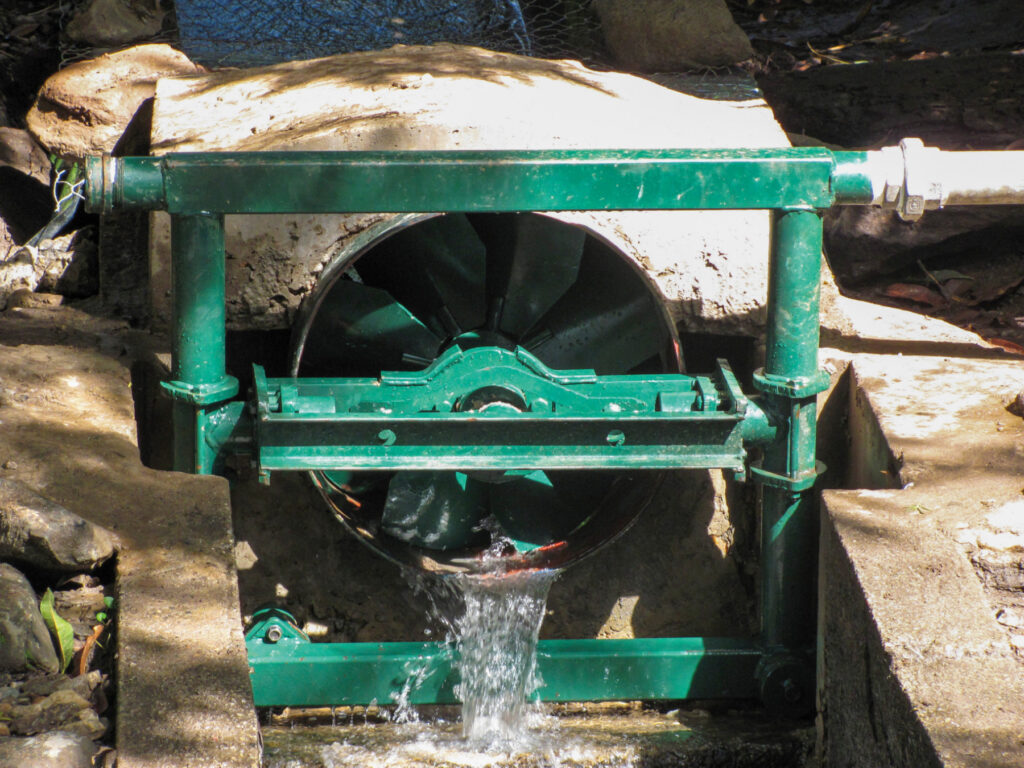
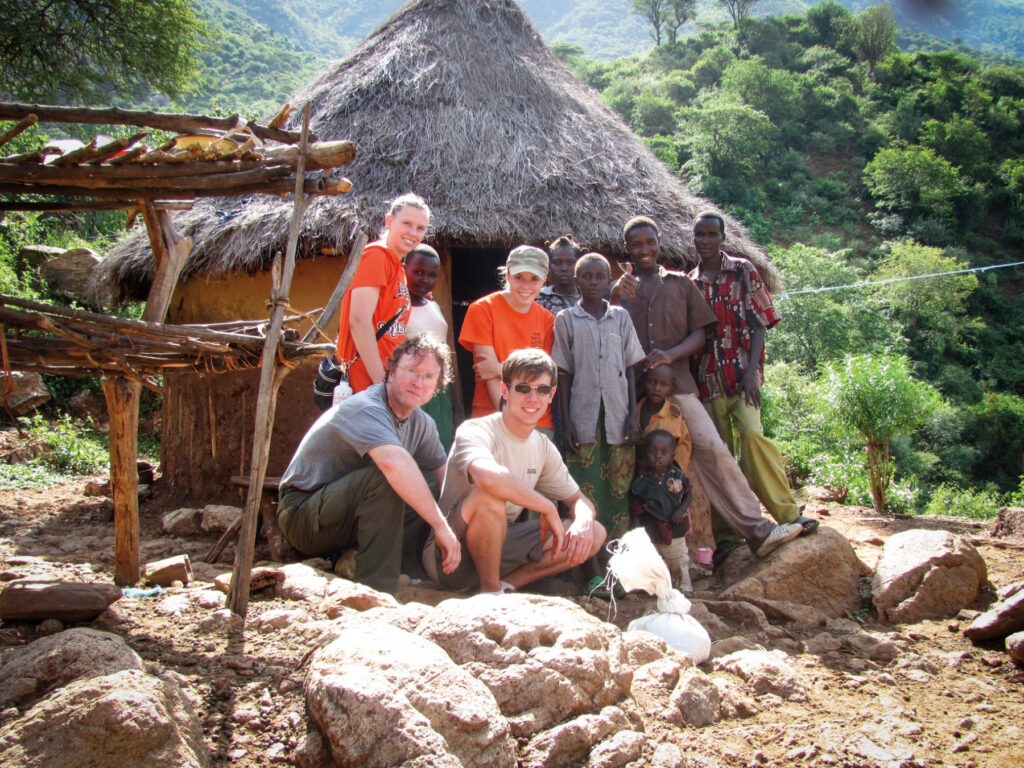
Mercer On Mission, Kenya’s, water-driven turbine pump project brought water to a community for the first time. Mercer University photos
That kind of project was exactly what Underwood had been hoping for when he started Mercer On Mission.
“It certainly is a service program. It’s obviously an international program. But it’s also a research program,” he said. “These young people had to use what they were learning in the classroom and put it to work to solve a real problem.”
It also touched on another hallmark of the program. Mercer On Mission teams do not swoop in with quick, one-size-fits-all fixes. Instead, they work long term with local communities to come up with sustainable solutions that use locally sourced materials to ensure the work can continue even after the team has gone.
“We only go places where we’re asked to go. We only do things that we’re asked to do, and we solve real problems that require the skills and expertise that only a university can provide,” Underwood said.
Changing lives
While faculty work on their programs year-round, for students, Mercer On Mission is a summer experience.
Before going abroad, they spend a few weeks in the classroom, learning the history and culture of the country they will be working in as well as academic theory and skills needed for their specific program. But what happens outside the classroom is what makes the most impact.
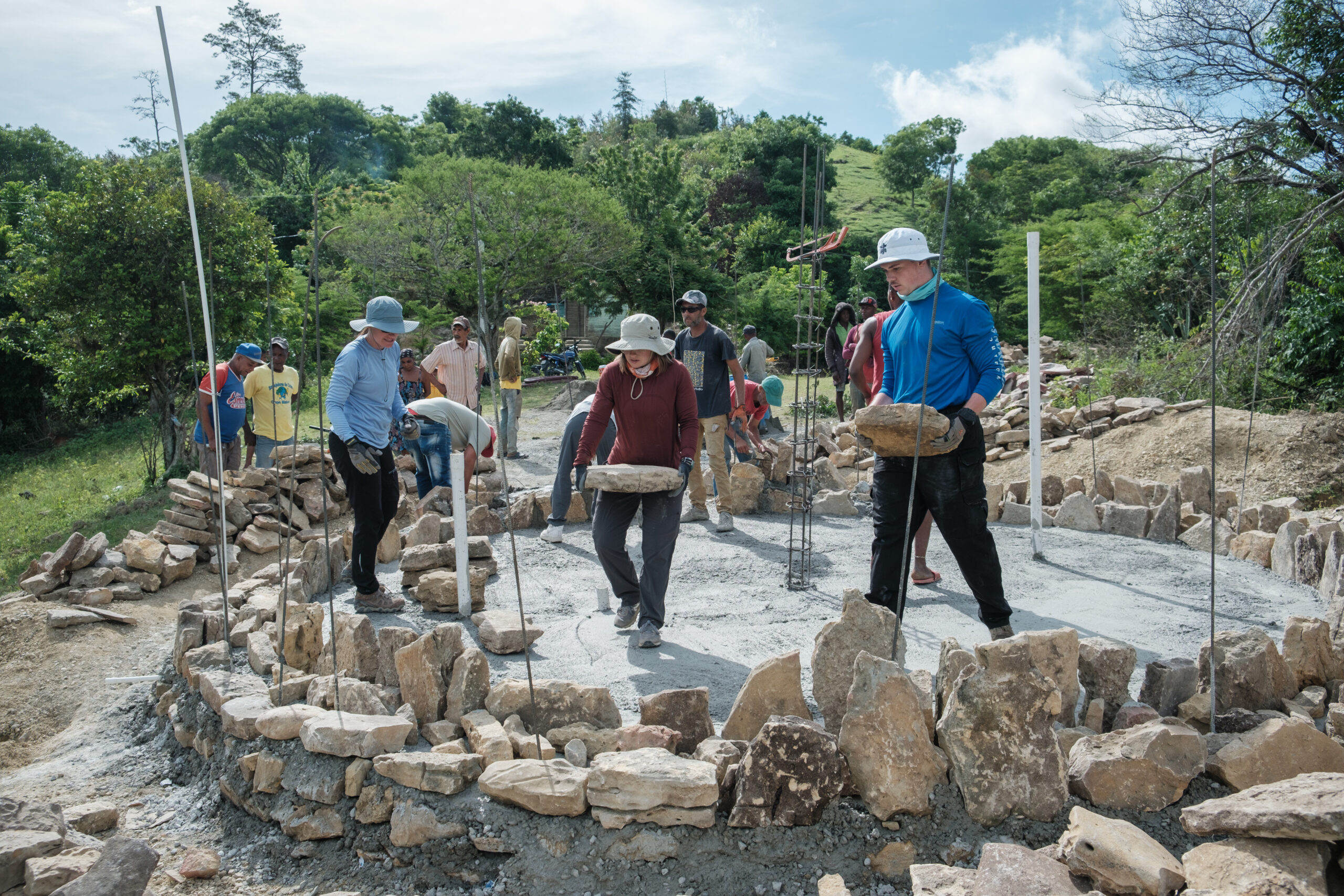
In the Dominican Republic, Mercer On Mission teams design and build infrastructure to provide communities with clean drinking water.
“Here is an opportunity for students to not only understand their design on paper, but then we now go and build it. … You’re actually mixing concrete by hand. You’re actually putting the stone on this water tank,” said Natalia Cardelino, Ph.D., assistant professor of environmental and civil engineering.

Before traveling to Vietnam, students in Mercer’s prosthetics program spend months in the lab preparing for the experience. In addition, they complete two prosthetics courses and participate in two weeks of intensive training that combines classroom instruction with hands-on practice, equipping them with the theoretical knowledge and technical skills needed to provide patient care abroad. During that training, students learn how to fit patients with the Mercer-designed universal prosthesis.
Once they arrive in Vietnam, however, the classroom lessons quickly give way to real-world challenges. Patients often present with complex conditions that require students to think critically, adapt their techniques and customize each prosthetic socket to meet an individual’s needs, said Distinguished University Professor of Biomedical Engineering Ha Van Vo, M.D., Ph.D., D.P.M., who leads the program.
Students “have to use their own innovation, their technique of modification to make the socket comfortable and ensure the patient can walk with proper gait,” he said. “And the prosthesis has to be durable and last. So that is challenging for them.”
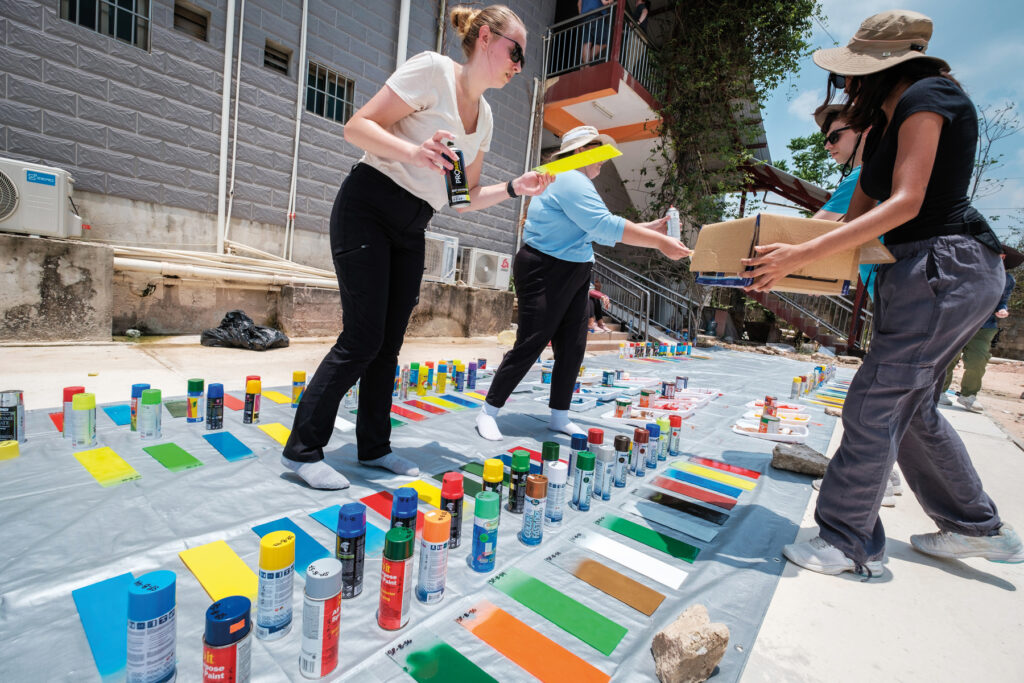
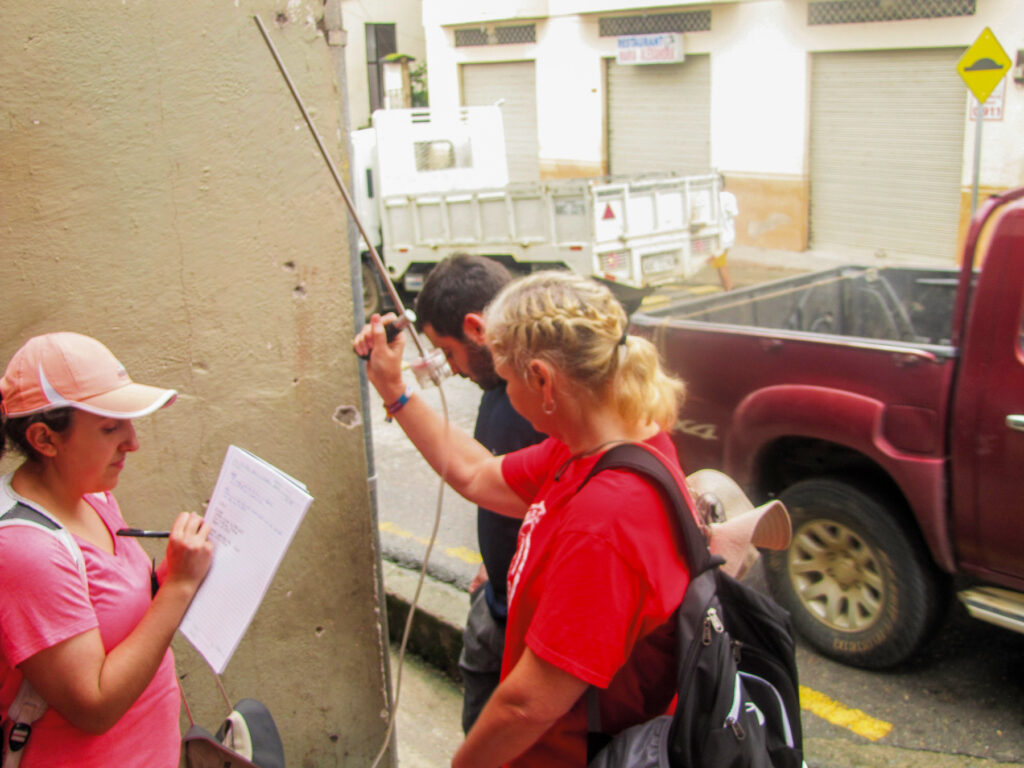
Mercer On Mission is not just a study abroad program, said Distinguished University Professor of Chemistry Adam Kiefer, Ph.D., who has been leading Mercer On Mission programs since 2010. His programs have focused on reducing mercury pollution in artisanal and small-scale gold mining and addressing the use of lead in paint.
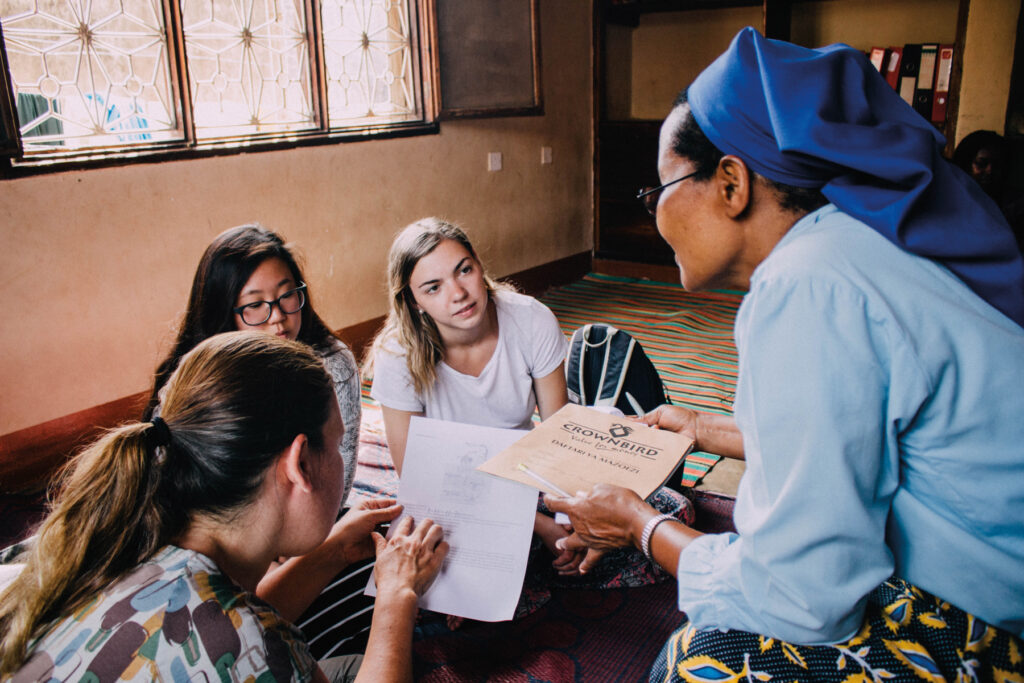
“No student will ever return from a Mercer On Mission the same,” he said. “You have to dedicate not only your brain but your heart and soul to the people in the communities in which you’re working. … (Students) have to really go ahead and put themselves into a situation they’ve never been in, that is remarkably uncomfortable, oftentimes communicating with people in a language that they don’t know. And it forces them to think outside of the box. It forces them to think outside of the classroom.
“And in doing so, that’s where the real connections are made between what we learn here and what we teach students, what it means to be a Bear, what it means to be a Mercerian, and how to apply that in an outside situation around the world.”
For alumnus Shane Buerster, a 2018 graduate of the Stetson-Hatcher School of Business, Mercer On Mission changed the trajectory of his life. He was part of a team researching coffee production in Zaruma, Ecuador, when he developed a friendship with tour guide Arturo Peñarreta.
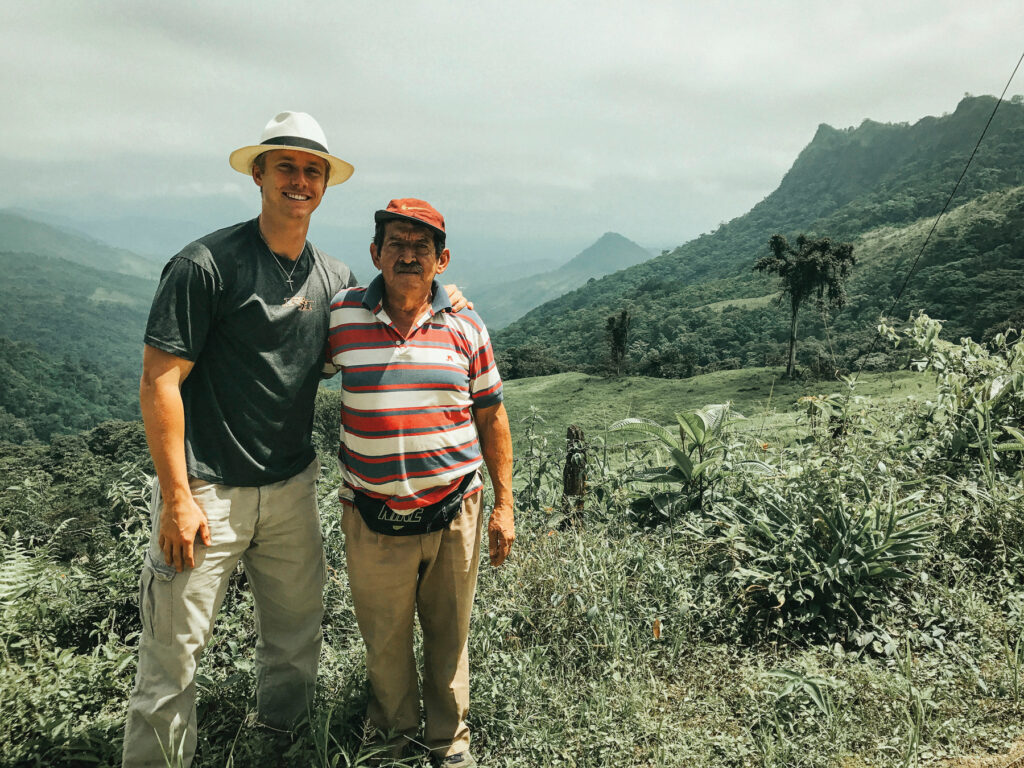
The two kept in touch after Buerster returned to Mercer, and one day, Peñarreta asked him if they could revisit the idea of coffee production. Buerster was open to it and founded Z Beans Coffee while still a student in 2016. The Z stands for Zaruma, and Peñarreta was his first employee.
Buerster now owns a store and roasting facility in Macon, operates several retail outlets in hospitals, and runs a wholesale business. At the heart of Z Beans is its social mission to support Ecuadorian farmers economically and empower their communities through sustainable practices.
Z Beans now works with 25 farmers and imported 120,000 pounds of coffee last year.
“It means a lot to me to be able to work with those farmers and to continue to try to buy more and more coffee and, honestly, just do right by them,” Buerster said.
Looking Forward
At Mercer, every student has access to Mercer On Mission. Students pay summer tuition, like they would for any other summer class, and the University pays the expenses of travel and room and board.
Donor support is integral to the success of the program, from getting students abroad to funding the work they do in-country. Those who give see the impact their gifts have.
On a visit to the Mercer On Mission program in Vietnam, Chris R. Sheridan Jr., chair of the Sheridan Foundation Board of Directors and a Mercer trustee, listened as two students cared for a teen girl who lost her leg.
“First and foremost, they took care of her mind and her heart and her emotions. And secondarily, they took care of her legs,” he said. “I have a hard time deciding who benefits the most from that process. The patient? Clearly, they benefit. But the student? It changes their life. And so, whatever they do, for the rest of their life, they are fundamentally shaped by Mercer On Mission.”
In 2021, the Sheridan Foundation committed $10 million to endow The Sheridan Center at Mercer University to support the work of Mercer On Mission. The center maintains a special focus on the University’s prosthetics program.
The Baugh Foundation also has been a strong supporter of Mercer On Mission, investing millions of dollars to enable hundreds of students and faculty to carry out the program’s work.
“Mercer is an example to so many other places of how to do this work,” said Jackie Baugh Moore, president of the Baugh Foundation and a Mercer trustee. “I know it’s hard; it’s complicated. But obviously it can be done because Mercer’s done it for 20 years.”
Mercer President Penny L. Elkins, Ph.D., is committed to continuing Mercer On Mission well into the future.
“The aspiration is that every single Mercerian who wants to engage with us on Mercer On Mission has the opportunity to do so,” she said. “And that means that I want this program to be fully endowed so that it is a long-standing program at Mercer.”
As someone who has participated in Mercer On Mission herself, Elkins has seen firsthand the impact the program has on students and communities around the world.
“Part of what Mercer On Mission does for students is to help them understand the power of engaging with other cultures, people unlike them,” she said. “But interestingly, they find out that they’re very similar. People laugh, and they smile, and they cry, and they bleed when they hurt themselves.
“That then drives this accountability to want to help, to want to improve other people’s lives, other communities and, in so doing, certainly change the world.”
This story was originally published in the fall 2026 issue of The Mercerian alumni magazine. Read the full magazine here.