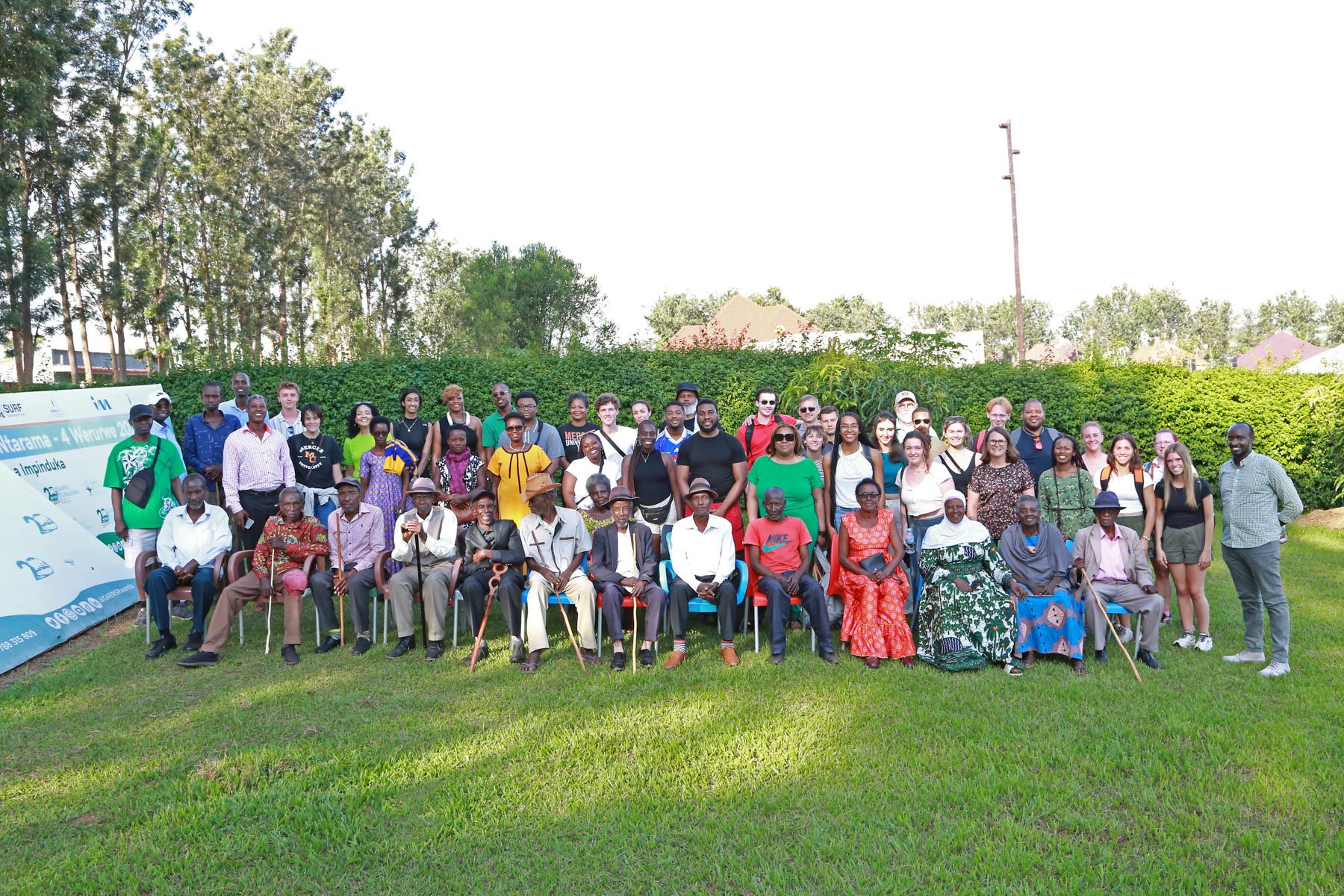
For more than a decade, the Mercer On Mission program in Rwanda has been empowering local residents and inspiring Mercerians. Through business training and trauma therapy, Mercer University faculty and students from the School of Business and College of Professional Advancement provide resources that are generating a ripple effect, improving lives across communities and generations throughout Rwanda.
Professor of Marketing Dr. Etienne Musonera, who is originally from Rwanda, initiated this Mercer On Mission program in 2015 to give back to his home country and help communities that had experienced devastating loss. More than 1 million Rwandans were killed in 100 days during the 1994 genocide against the Tutsi, leaving a legacy of generational trauma and economic struggles.
“The goal was not only to provide practical business and management skills that could help survivors create and grow small enterprises, but also to empower them to become self-sufficient and better equipped to support other survivors in their communities,” Dr. Musonera said. “At the same time, the program offered Mercer students a unique opportunity to learn through service, engage with a different culture and understand the power of education and leadership in addressing real-world challenges.”
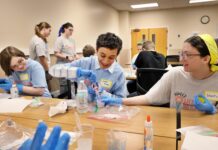
For three weeks every summer, a team of Mercerians travel to Kigali to work with survivors of the genocide, many of them widows, and their now-grown children. The program began with a sole focus on business and added counseling as a secondary component in 2022.
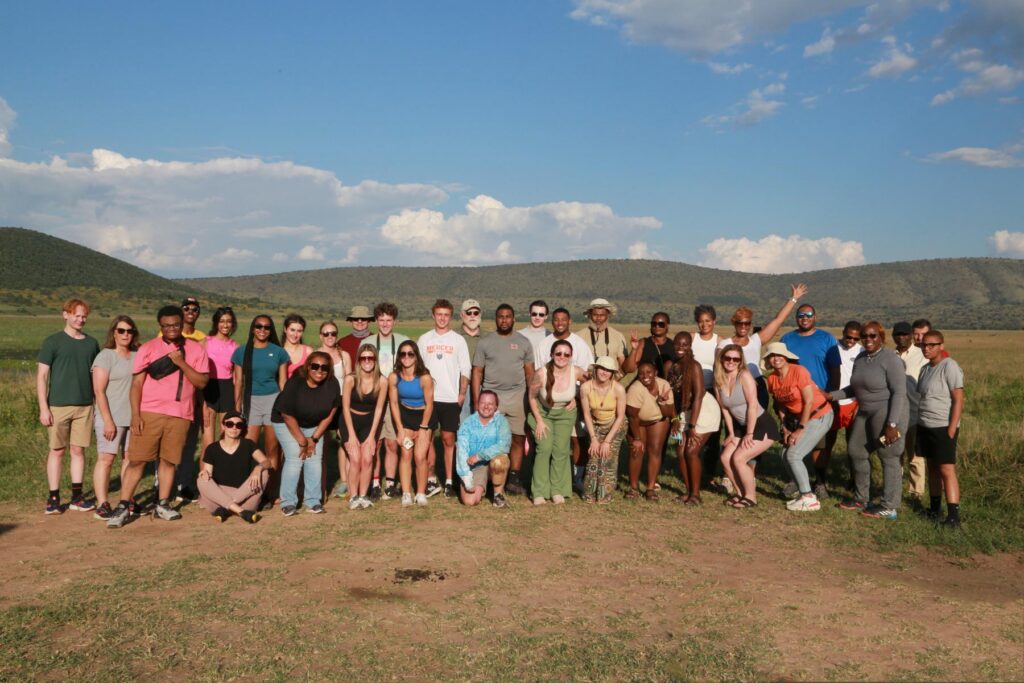
To date, 250 business students and 61 counseling students have traveled to Rwanda to contribute to these projects, providing entrepreneurship training to 806 Rwandans and trauma therapy training to 482 in the process.
“(Mercer’s) willingness to invest in local capacity building has made a meaningful difference,” said Rwandan Dr. Jean Claude Murekeyimana, founder and managing director of Iwacu Recovery Centre in Kigali and a two-time participant in the Mercer training. “I particularly appreciate the spirit of partnership and learning that Mercer brings. Their work goes beyond training; it empowers local professionals to continue helping others long after the workshops are completed.”
The Mercer On Mission program’s continued success can be attributed to the year-round, long-term and collaborative relationships with Rwandan partner organizations, which include MindLeaps, GAERG, AVEGA and Aegis Trust, said School of Business Dean Dr. Julie Petherbridge. This has ensured that the Mercerians’ work in the country is sustainable rather than “one and done.”
“Our vision is for Mercer On Mission Rwanda to remain a model of mutually beneficial partnership — one that fosters empowerment rather than dependency, promotes sustainable development, strengthens international friendships, and transforms the lives of everyone involved,” Dr. Musonera said. “Success will be measured not only by the projects completed, but by the enduring relationships, enhanced capacities, and positive changes that continue long after each mission concludes.”
Entrepreneurship
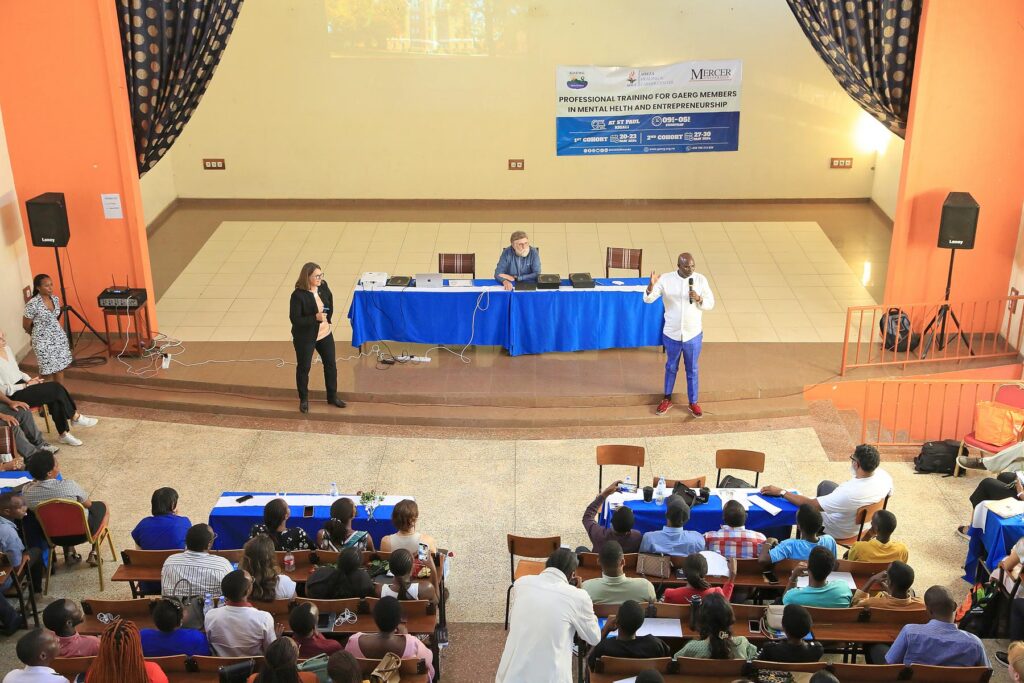
Through workshops and one-on-one mentoring, Rwandan participants gain the skills and confidence to pursue new opportunities and make their businesses more successful and sustainable, Dr. Musonera said. They learn how to develop formal business plans, conduct market research, market their businesses, strategize their pricing and develop customer relationships.
“These improvements have the potential to generate broader community benefits through increased household income, job creation, enhanced local economic activity and a stronger entrepreneurial culture,” he said. “Through direct engagement with community members and local organizations, (Mercer) students developed greater cultural awareness, adaptability, humility, empathy and gratitude. They gained a deeper appreciation for the role of entrepreneurship and management in promoting social and economic development.”
The Mercer students also gain an understanding of how businesses operate in other countries and how important it is to adapt instruction to local practices rather than pushing U.S.-based methods, Dr. Petherbridge said.
Training offerings have been expanded over the years to meet the needs of the organizations Mercer works with. For instance, a project management certification was added for the 2026 trip. Some entrepreneurs have participated in multiple training sessions.
“By going back each year, not only are we training new people, but we’re also able to help them expand their businesses,” said Dr. Petherbridge, who has been involved in the program since 2019. “The hope is to develop these businesses to be self-sustaining and build more collective partnerships. That way, every person who comes to the organizations has a place to develop or join a business and the training is happening within their organizations.”
Rwandan Wilson Gashaija, a two-time training participant who also provided translation services, said the seminars provided him with practical training that will help him plan more strategically when he launches his own business.

“Mercer has left a lasting impact on my life,” he said. “The knowledge, relationships and experiences I gained continue to shape how I work, lead and care for others.”
Mercer program organizers have watched many businesses launch and grow since 2015. Ventures have included restaurants; tailor shops; and stores selling fruits, vegetables, poultry, mobile services, jewelry, and car and bicycle parts.
MindLeaps Global Program Director Bashir Karenzi, who is Rwandan, said the partnership with Mercer has been transformational and empowering. The organization supports vulnerable youth and their parents, and the business training equips the parents to create stable sources of income.
A number of the parents have joined together to start group businesses. Many have expanded from selling their products on the street to inside their own storefronts, he said.
“These parents have grown to be like counselors in the community, helping other parents with their businesses, but also like leaders at the village level,” Karenzi said. “Most of these parents are survivors of the genocide, so it means a lot to be able to get support in terms of training. They are thriving, but the most important (thing) is the level of resilience and what that partnership adds for them to keep growing in that path of resilience.”
One of the most successful collaborations is a project that began after the 2021 Mercer On Mission trip. Six Rwandan women with separate tailoring businesses formed a collective partnership called Ubumwe Family Design and created a brand called IMWE. Mercer business students now sell IMWE products online and in pop-up shops in Georgia, with all profits going back to the women. The project is currently expanding to include jewelry sales, Dr. Petherbridge said.
Sami Lowinger, BUS ’25, BUS ‘26, participated in the 2024 and 2025 trips, the latter as a graduate student leader. She worked directly with the owners of a wine shop, coffee shop and grocery store.
“I completely immersed myself in the experience and truly enjoyed it. It was so fulfilling,” Lowinger said. “Business looks different across cultures, but many of the challenges that we see are universal. I think that one of the things I first noticed when I went there was the resourcefulness. Seeing the things that they’re able to do with little resources was very eye-opening. My global perspective has shifted business-wise. I want to (work) in hospitality because of my Mercer On Mission experiences.”
Trauma therapy
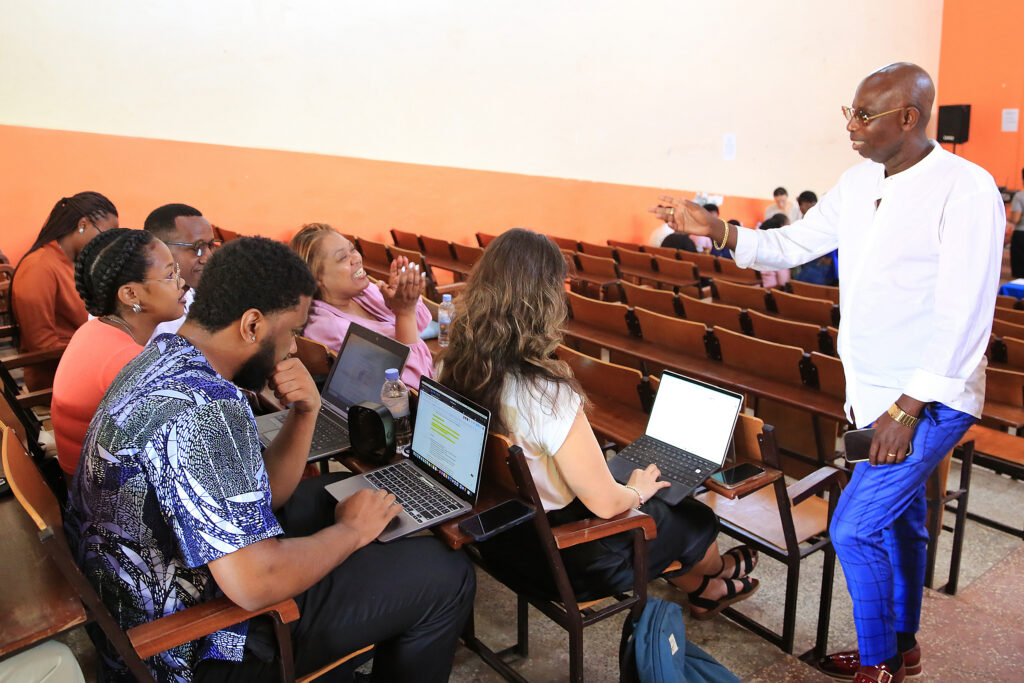
Mercer counseling students lead the Rwandan participants in a group treatment model of trauma therapy developed by Dr. David Lane, College of Professional Advancement counseling professor. Based on narrative therapy, the model centers on participants writing and sharing their personal stories. Dr. Lane has used this approach with survivors of the 2010 Haiti earthquake and the 2012 Sandy Hook Elementary School shooting.
“It’s really clear that trauma is passed down from generation to generation,” Dr. Lane said. “Now in Rwanda, second-generation folks are experiencing trauma symptoms, and they weren’t born yet in 1994 when the genocide happened.”
Most of the Rwandans that Mercerians work with have never told their stories before, and the release of that longstanding emotional burden has an almost immediate effect on them, Dr. Lane said. Katie Johnson, COPA ’24, was among the clinical mental health counseling students who listened to those stories during the 2023 trip.
“They were hard to hear, but to be able to give them a tool and a space and allow them to share those deep feelings was humbling. It was heavy work, but it was so rewarding because you saw how it helped,” said Johnson, Mercer’s executive director and Americans with Disabilities Act coordinator for access and accommodation. “It was so much more than just a trip. It was connecting with people and community and serving others in a way that was useful and hopefully something that prolongs (the impact), because we were training them to go back into their communities to help others.”
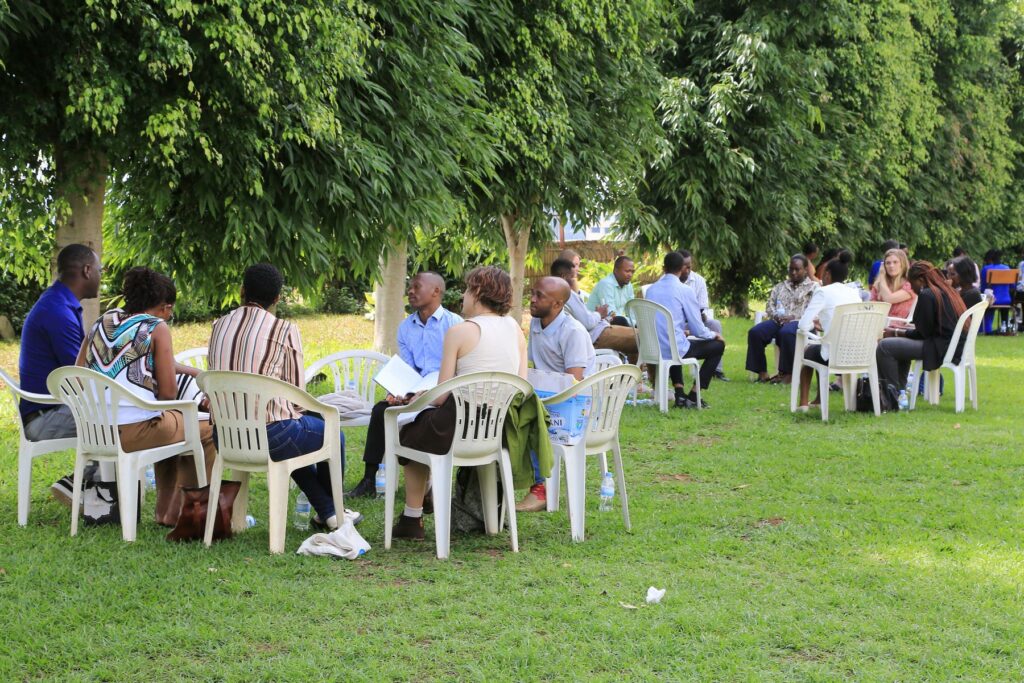
After the training, they are equipped to lead other members of their local communities in the model, allowing the healing to continue throughout the year, Dr. Musonera said. GAERG reports that 96% of the Rwandan participants are using the training in their towns and villages, Dr. Lane said.
“The training taught me the value of active listening and how important it is for people to feel heard, understood, and cared for before solutions are offered,” Gashaija said. “On a personal level, the training helped me better understand myself and how stress affects both the mind and body. I learned to manage my emotions more effectively, remain calm under pressure, and give myself time and grace instead of rushing through challenges.”
Working with Mercer contributed to Dr. Murekeyimana’s personal growth as well as the growth of his organization. Iwacu Recovery Centre, which he founded in 2017, provides recovery services to people affected by addiction, mental health challenges, trauma and related social issues.
“Narrative therapy helped me understand that my story did not have to be defined by addiction,” he said. “It gave me the courage to speak openly about my struggles, embrace recovery and find meaning in my experiences. Today, it is one of the key therapeutic approaches we use at Iwacu Recovery Centre, and it has helped many individuals reclaim their lives, rebuild relationships and restore hope.”
The Mercer On Mission experience is just as impactful for the counseling students, who gain confidence in their abilities as they lead the therapy sessions, Dr. Lane said. This work equips them well to go into internships where they will see clients.
“It’s amazing to watch them change. I just kind of sit back and watch while these flowers bloom in front of me, and it’s such an incredible experience for me,” Dr. Lane said. “Every one of them comes back and says it’s completely life-altering, that it changes their perspective not just about how to work with trauma and be counselors but their perspective on life in this world. It changes lives, with my students and with the participants in Rwanda.”